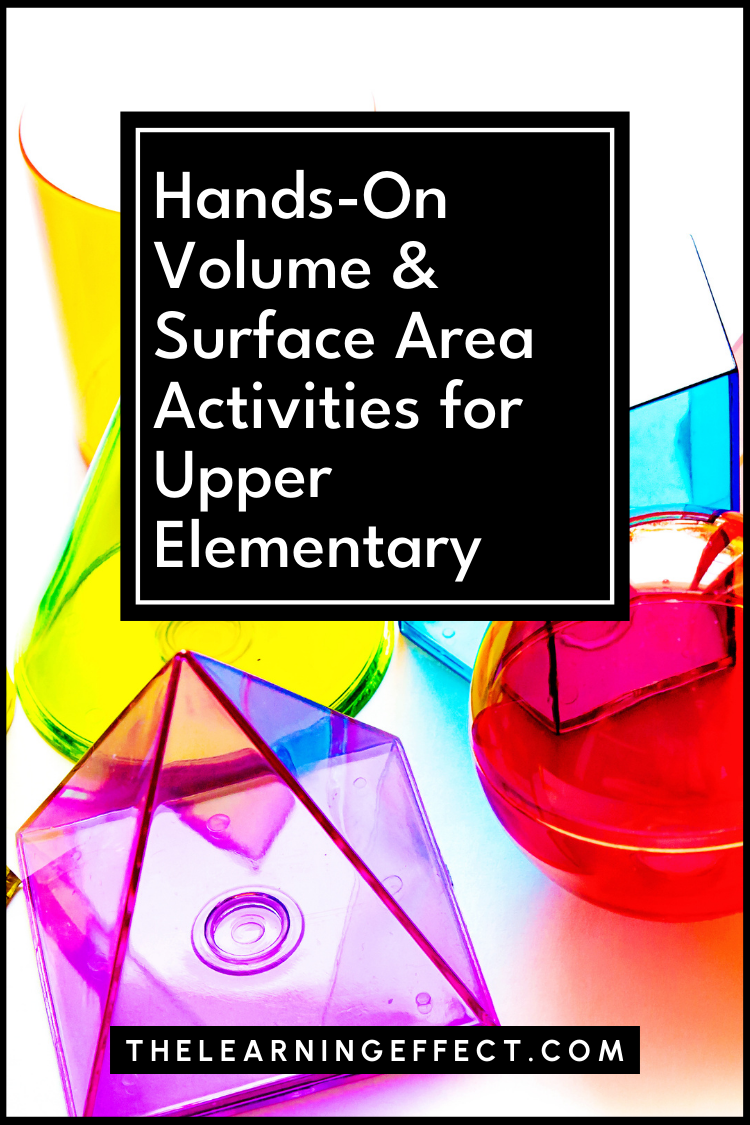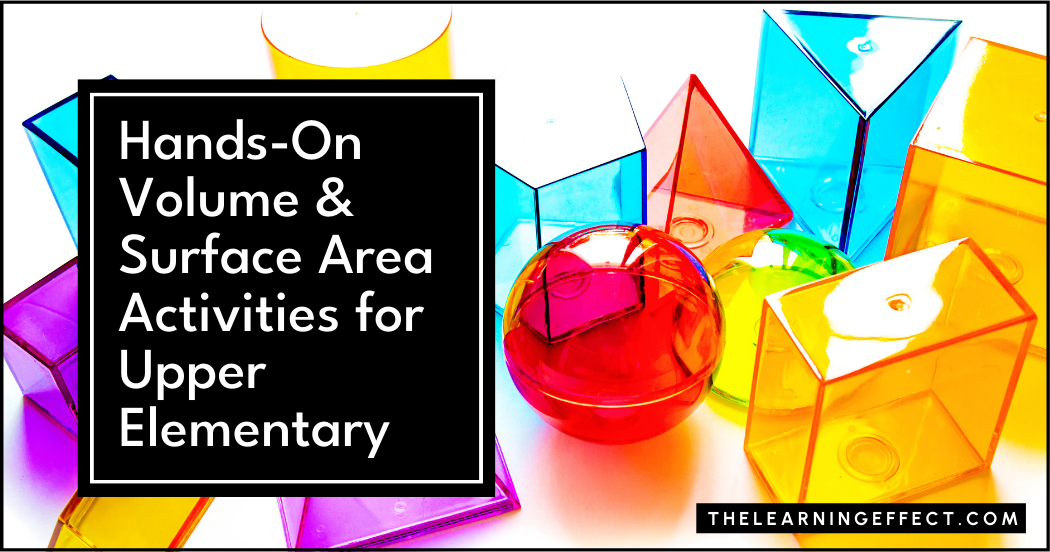
Looking for engaging volume and surface area activities for your upper elementary classroom? These hands-on ideas will help your 5th and 6th graders explore 3D shapes in meaningful, memorable ways. By transforming abstract math into tactile learning, students grasp concepts like volume and surface area with ease – and have fun doing it!
1. Sculpt and Calculate: Playdough Volume Activity
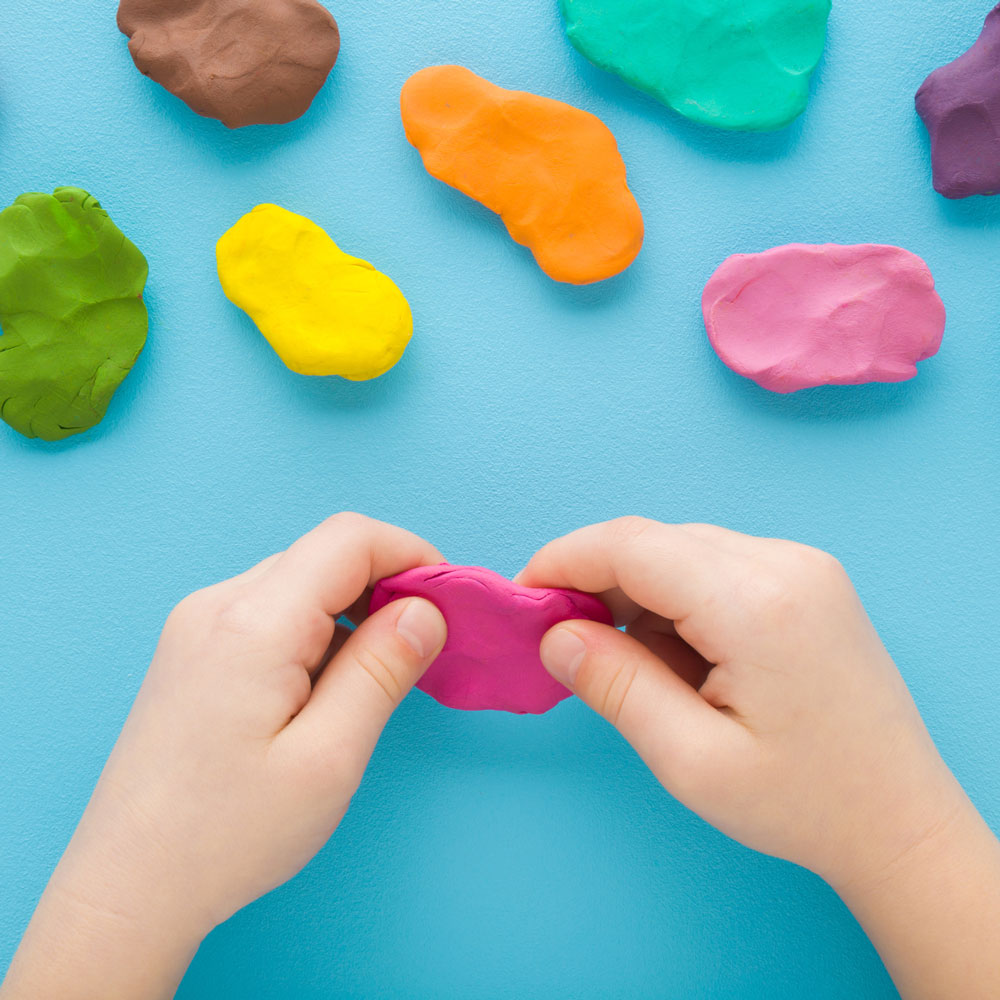
Turn your classroom into a mini math lab with playdough and a ruler! This activity lets students get creative while deepening their understanding of volume.
What You Need:
- Playdough
- Ruler or measuring tape
- Volume formula cheat sheet
How It Works:
- Shape It: Students sculpt cubes, cylinders, and rectangular prisms.
- Measure It: They measure dimensions and use the volume formulas to calculate.
- Share It: A quick class share-out helps students compare results and observe how different shapes affect volume.
Why It Works: Students aren’t just calculating numbers – they’re manipulating shapes and connecting math to something they can see and feel. It’s a playful, effective way to reinforce volume concepts.
2. Build and Explore: Surface Area with 3D Nets (+ Free Download)
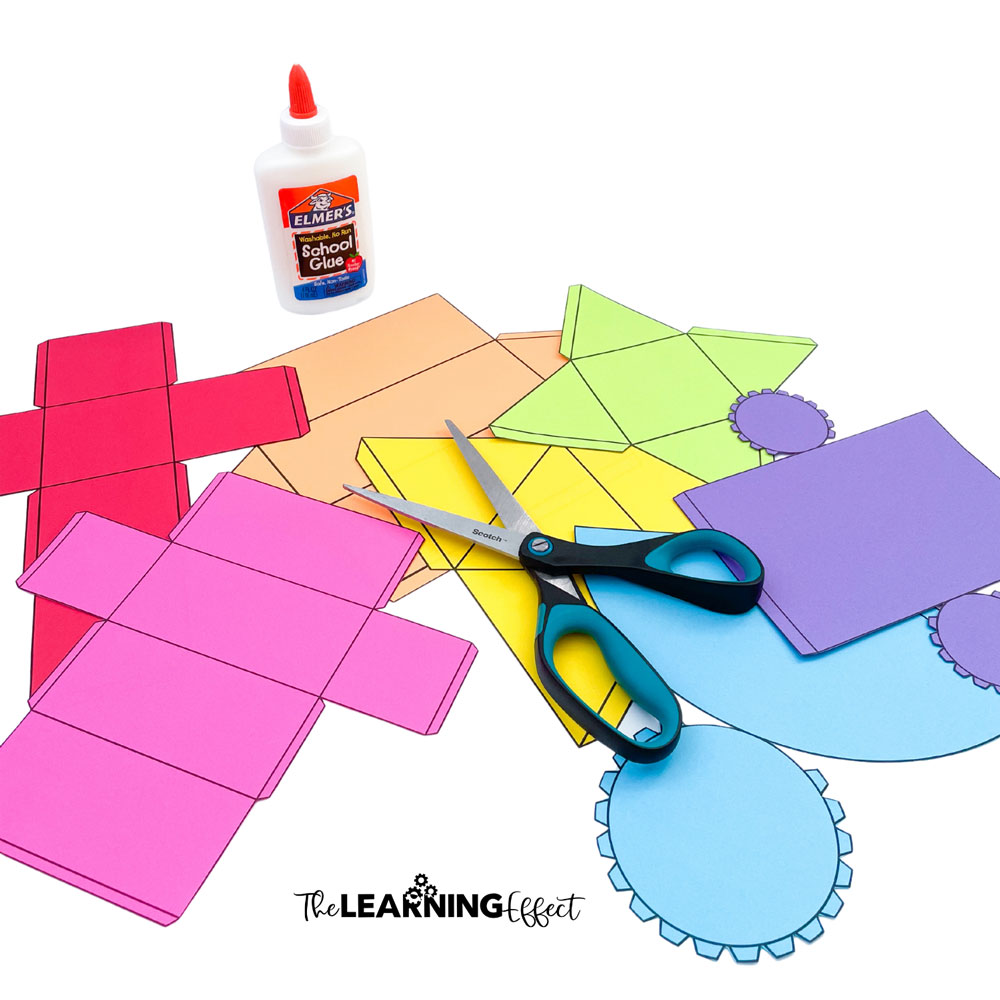
Use paper nets to build 3D shapes and explore surface area in a hands-on way. Perfect for visual learners!

What You Need:
- Printable net templates (cube, rectangular prism, pyramid, etc.)
- Scissors
- Glue or tape
How It Works:
- Cut & Build: Students cut and fold templates into 3D shapes.
- Observe & Measure: They examine each face to see how surface area is built.
- Calculate: Students add up the area of each face to find total surface area.
Why It Works: This activity bridges the gap between flat diagrams and real-world objects. It makes formulas come alive and encourages spatial reasoning.
3. Marshmallow Geometry: Building Shapes and Surface Area
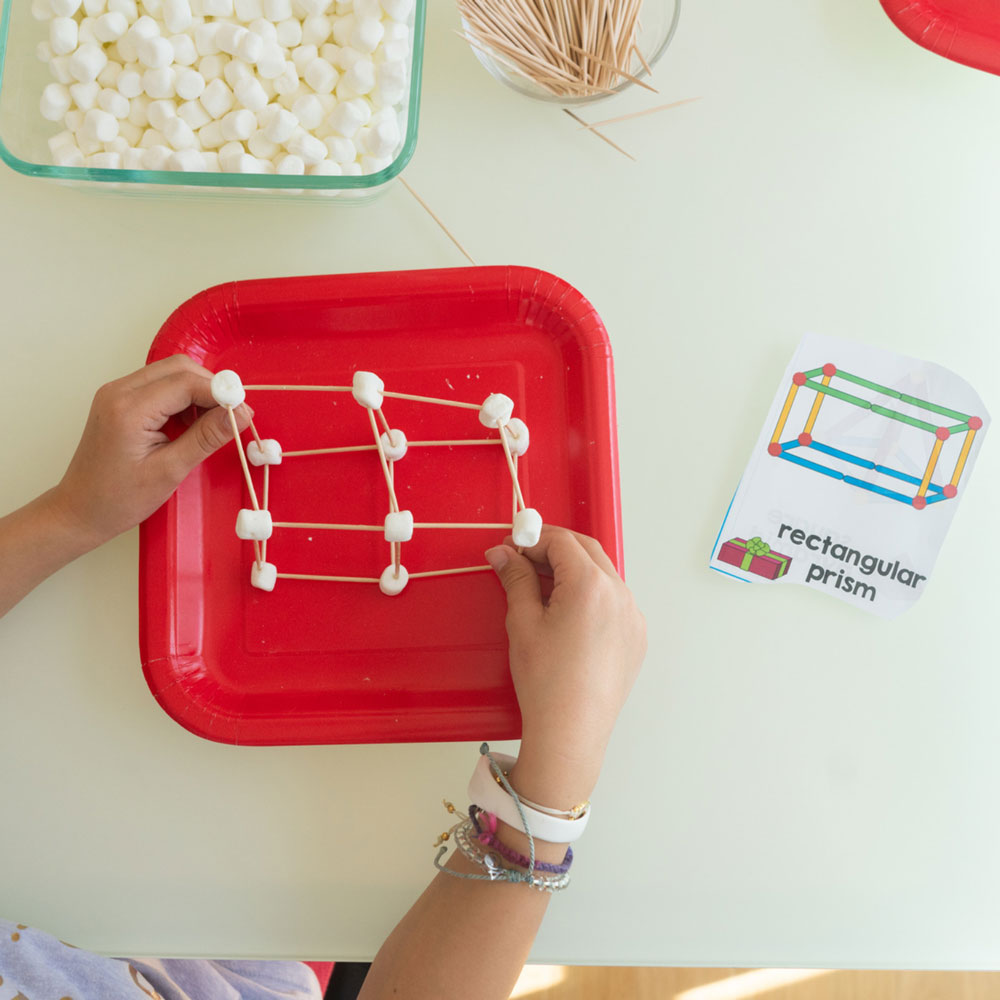
Create geometric shapes with marshmallows and toothpicks to explore volume and surface area in a fun, hands-on way.
What You Need:
- Mini marshmallows
- Toothpicks
- Graph paper
How It Works:
- Build It: Students construct 3D shapes like cubes or prisms.
- Sketch It: They draw their models on graph paper, labeling dimensions.
- Calculate: Using formulas, they calculate volume and surface area.
- Discuss: Students compare outcomes and reflect on how dimensions impact results.
Why It Works: This sweet activity combines math, creativity, and critical thinking. Students visualize formulas by connecting them to tangible, memorable structures.
Visual Support: Volume and Surface Area Posters for the Classroom
Help your students remember key formulas with ready-to-print posters. They’re perfect for reference during lessons, review sessions, or math centers.

Hands-on learning strategies make it easier for upper elementary students to grasp challenging topics like volume and surface area. By using activities that connect math to real-world applications, students can visualize and calculate with greater accuracy and confidence. Incorporating engaging tools like shape nets, playdough models, and marshmallow structures turns abstract formulas into concrete understanding – while keeping students actively involved in the learning process.
With these volume and surface area activities in your toolkit, your students will be better prepared to tackle geometry standards with success.