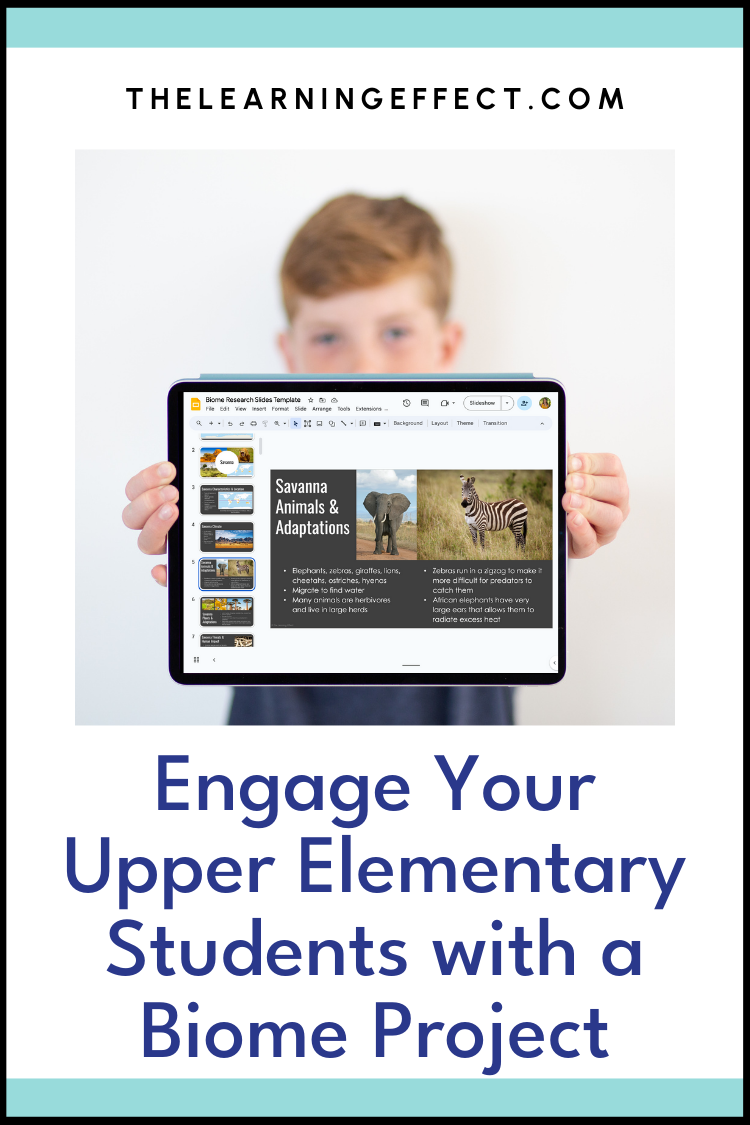
Exploring biomes is an exciting way to spark curiosity and deepen science understanding in upper elementary students. A biome project transforms a typical science unit into an opportunity for students to research, collaborate, and present what they’ve learned in a creative, engaging way.
Free Resource to Support Student Research

What Is a Biome, Really?
Before diving into your biome project, it’s helpful to clarify the difference between biomes and ecosystems. Think of a biome like a giant neighborhood – such as the desert or rainforest – with its own climate and typical plants and animals. Inside each biome are ecosystems, like houses or parks, where living and nonliving things interact more specifically.
Understanding this helps students see the big picture and prepares them to dive into their research with context.
How to Prepare for a Successful Biome Project
A well-structured biome project gives students a meaningful way to apply their learning. Here’s how to get started:
1. Choose Biomes
Assign or let students choose biomes like rainforest, tundra, or desert. Consider student interest and the diversity of content.
2. Explain the Project Expectations
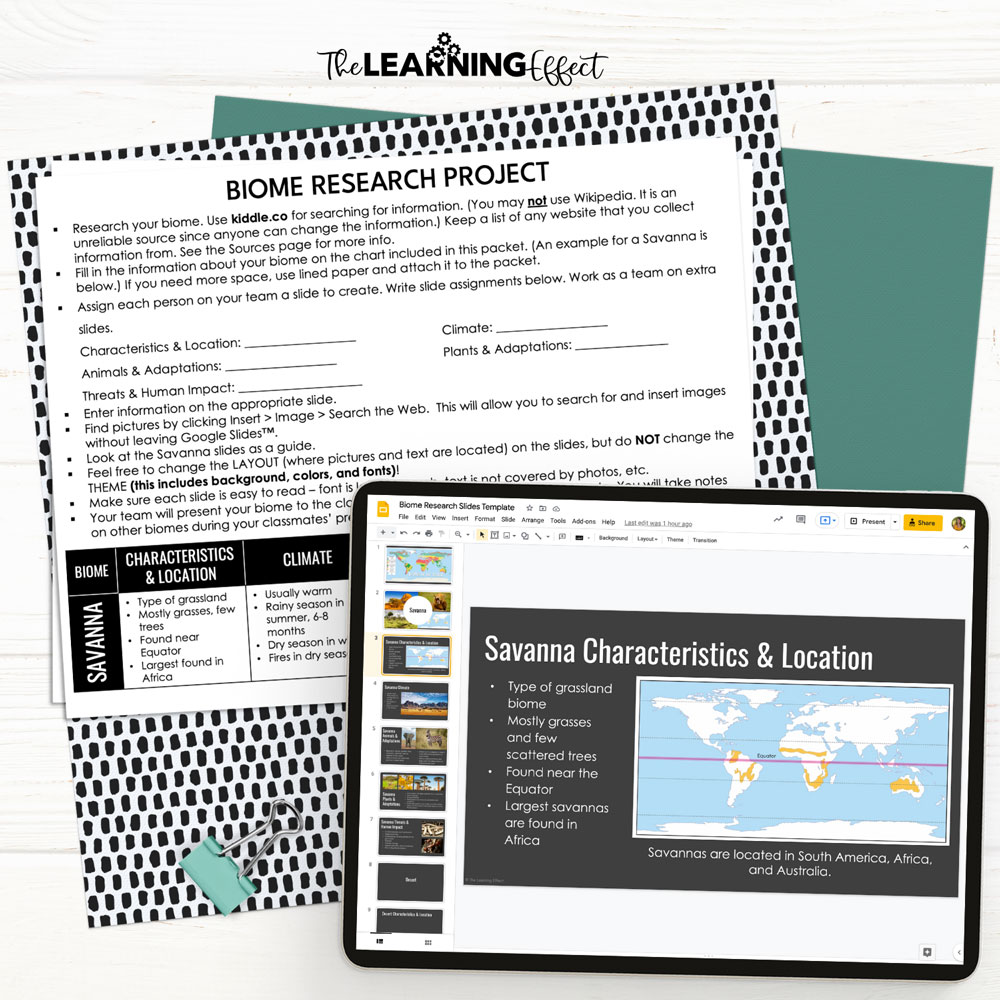
Let students know they’ll work in groups to research a biome and present their findings in a Google Slides presentation. Focus areas include:
- Biome characteristics and location
- Climate
- Animal and plant adaptations
- Human impact on the biome
3. Form Student Groups
Divide students into small groups and have them split the research responsibilities.
4. Guide Research
Teach students how to gather relevant facts using books and kid-friendly websites. These biome research websites are a great place to start!
5. Create the Presentation
Encourage students to organize their slides with headings, visuals, and clear bullet points. Teach them to present information in a logical order.
6. Practice and Present
Have students rehearse before their final presentation. Peer feedback builds confidence and public speaking skills.
Biome Project Ideas for Upper Elementary
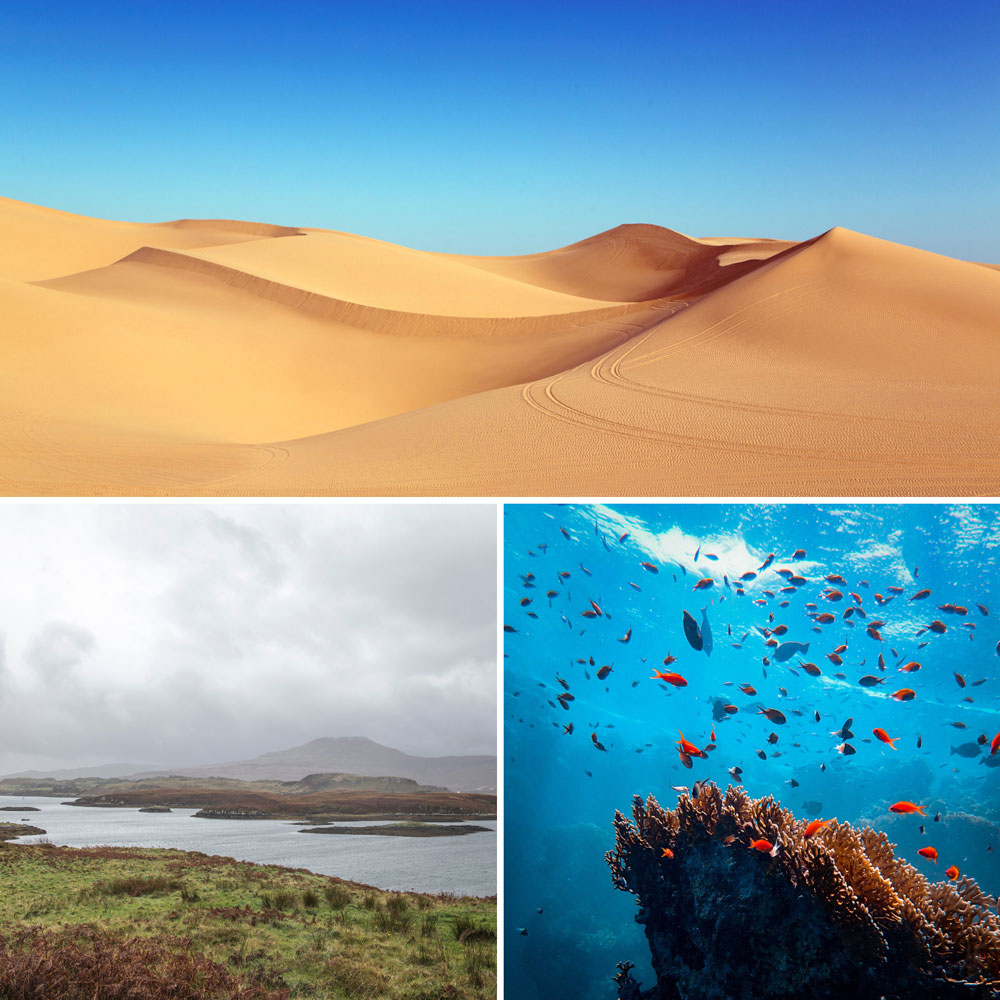
Give your students options that highlight the diversity of our planet. Here are engaging biome topics:
Tropical Rainforest – Explore biodiversity, layers of the rainforest, and deforestation.
Desert – Study how life adapts to extreme heat and limited water.
Tundra – Learn about permafrost, cold-weather animals, and climate change.
Grasslands – Discover grazing animals and the role of wildfires.
Deciduous Forest – Examine seasonal changes and tree adaptations.
Taiga – Investigate coniferous forests and subarctic ecosystems.
Estuary – Focus on ecosystems where freshwater meets saltwater.
Freshwater/Saltwater – Compare marine and freshwater life and the importance of clean water.
Letting students explore different biomes increases ownership and engagement.

How to Assess a Biome Project Effectively
Evaluation doesn’t have to be complicated. Here’s how to assess fairly and efficiently:
- Encourage Reflection: Have students write about what they learned and what they’d do differently next time.
- Use a Rubric with clear criteria: content accuracy, visuals, teamwork, and presentation skills.
- Assess Group Dynamics: Did everyone contribute?
- Give Feedback: Offer specific praise and one or two growth tips.
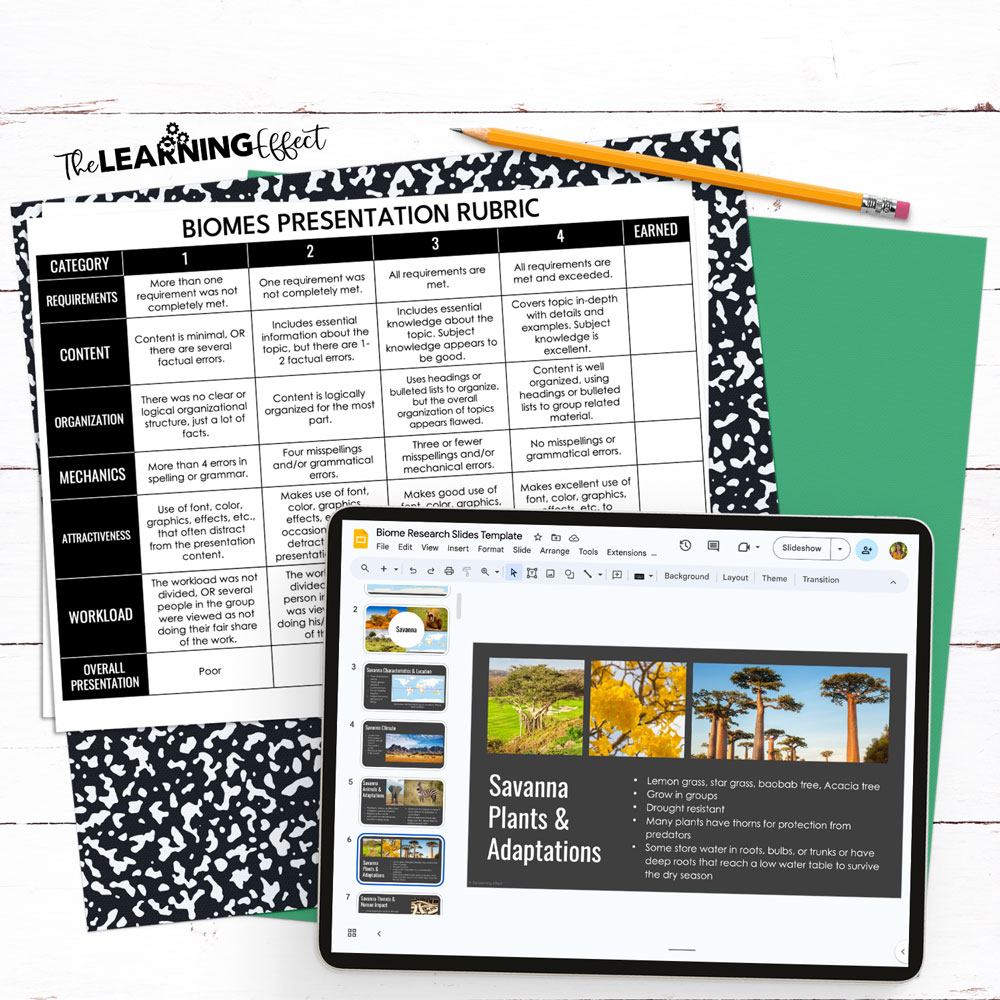
Ready-to-Use Biome Project Resource
Want to save planning time and set your students up for success?
The Biome Google Slides Research Project includes:
- Editable templates
- Student instructions
- Research organizer
- Rubric for easy grading
Whether students are studying the rainforest or the tundra, this resource streamlines your teaching while engaging your students in meaningful, hands-on learning.

FAQ: Biome Projects in the Classroom
What should a biome project include?
A clear presentation of the biome’s location, climate, animal and plant life, adaptations, and human impact.
How long should a biome project take?
Plan for 1–2 weeks, including research, collaboration, and presentations.
What’s the best way to help students research?
Use guided resources like the Online Kid-Friendly Science Research Guide and pre-selected websites.
Inspire Future Ecologists
A biome project goes beyond science standards – it nurtures curiosity, collaboration, and care for the planet. With the right tools and structure, this project becomes a favorite part of your science curriculum.
Get your students excited about ecology, sharpen their research skills, and enjoy a no-stress teaching experience!