Older kids like recognition, too! If you’ve been searching for a behavior management system that actually works with upper elementary students, ClassDojo might be exactly what you need. After trying multiple approaches in my 4th grade classroom, I discovered that ClassDojo was the game-changer I’d been looking for – and it’s been a huge success with both students and parents.
Why ClassDojo Works for Upper Elementary Students
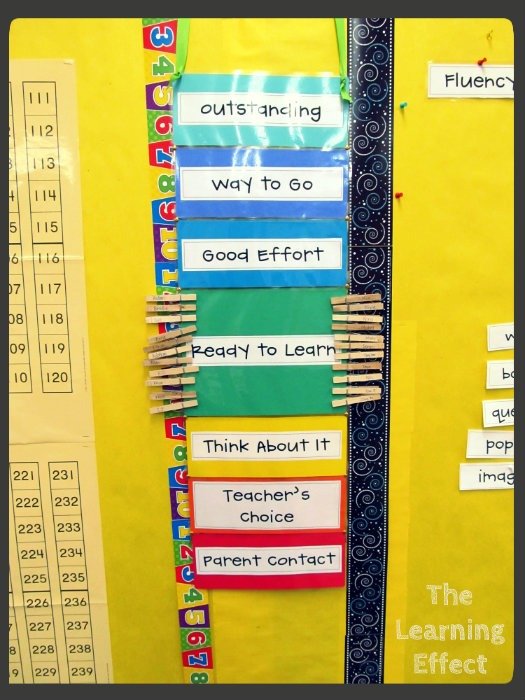
Let’s be honest – clip charts and color cards that work beautifully in kindergarten can feel juvenile to 4th and 5th graders. Upper elementary students need something more sophisticated, and that’s where ClassDojo shines.
ClassDojo appeals to older students because:
- The monster avatars are fun without being babyish
- Students can customize their own avatars at home
- The point system feels like a game they want to “win”
- Parents get instant updates, creating accountability at home
- It’s digital – which automatically makes it cooler to kids
The best part? Students start tracking their own progress and asking about their point totals like it’s a video game score. That intrinsic motivation is exactly what we want in upper elementary!
Getting Started with ClassDojo in Your Classroom
Setting up ClassDojo is surprisingly simple, and you can access it on your phone, tablet, or computer through the app or website. Here’s how I recommend getting started:
First Week Setup:
- Create your class and customize behavior categories (more on this below)
- Send home parent and student sign-up codes on the first day of school
- Show students how to log in and customize their monsters
- Explain your point system and rewards clearly
Pro tip: If your grade level team uses ClassDojo, you can share classes for subject rotations. This means you’ll know exactly who was on-task (and who wasn’t) when your students are in someone else’s classroom.
Creating a Point System That Works for Older Students
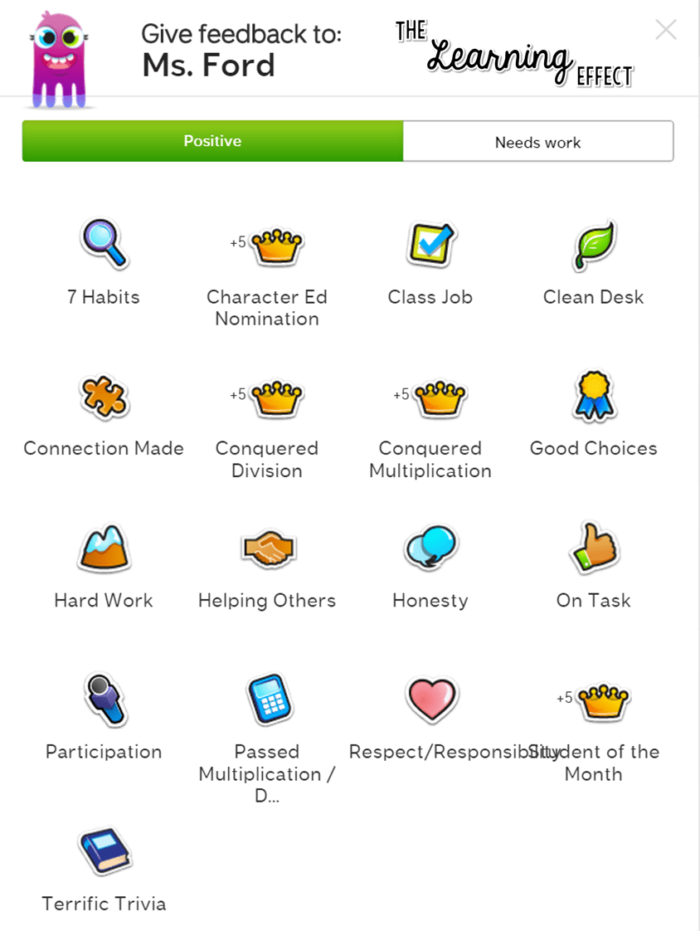
The beauty of ClassDojo is that everything is customizable. You can weight certain behaviors with up to 5 points, and you decide what’s worth tracking. Here’s what worked in my 4th grade classroom:
Positive Points:
- Participation
- Helping others
- Respect/responsibility
- Good choices
- Student of the month (5 points)
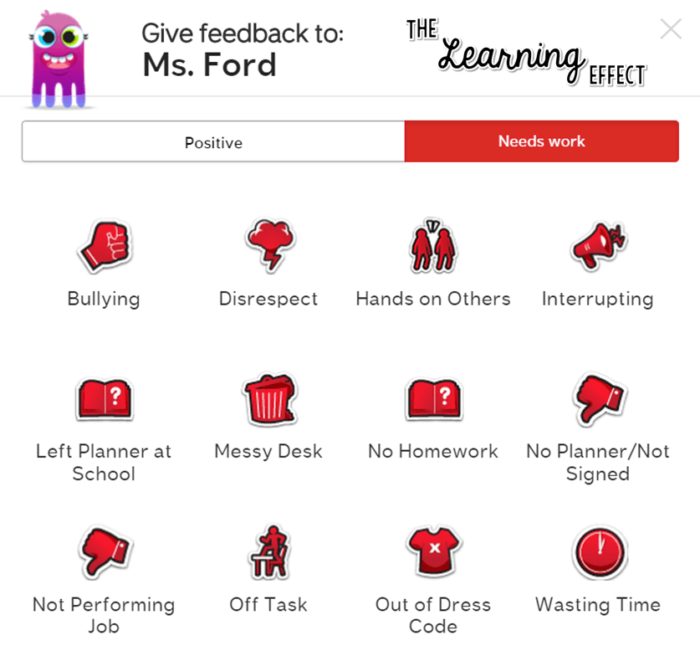
Negative Points:
- Off-task behavior
- Interrupting
- Disrespect
Remember, you can comment on points to give parents specific details about what happened – perfect for maintaining clear communication.
Making ClassDojo Meaningful: Rewards That Matter
Here’s the key to success with upper elementary: points need to mean something beyond parent approval. While parent communication is valuable, not every student has parents actively checking the app.
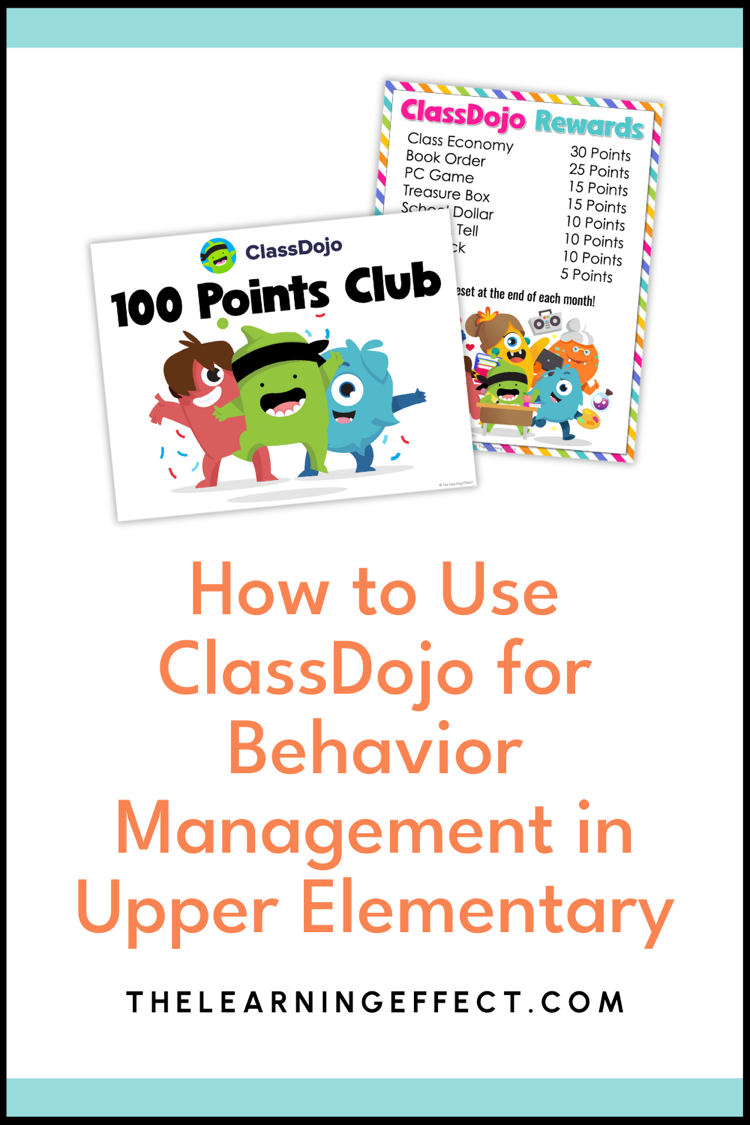
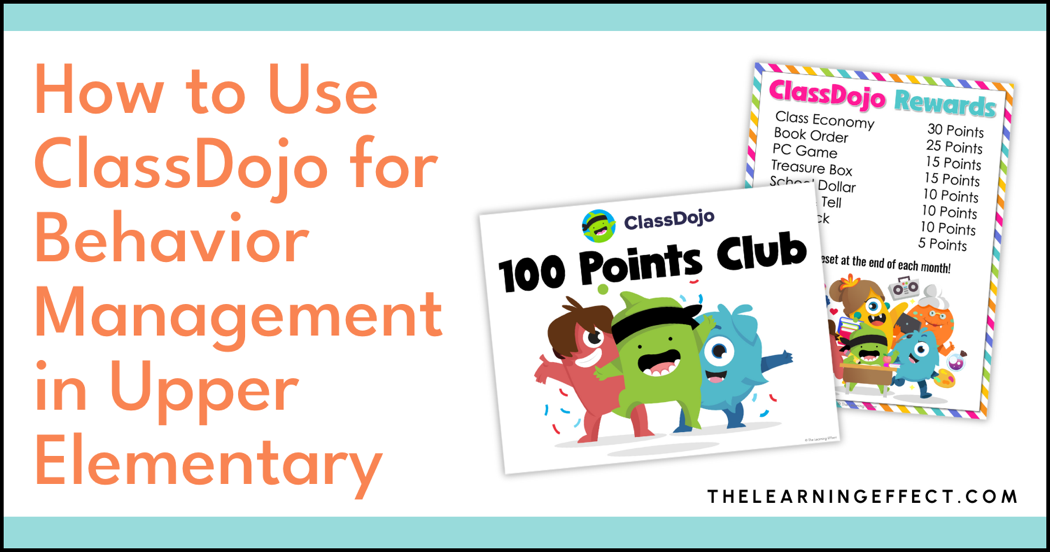
Monthly Reward System: I made points “redeemable” at the end of each month. Students could spend their points on:
- Treasure box items (15 points)
- Extra computer time (15 points)
- Class economy (30 points)
- Show and tell (10 points)
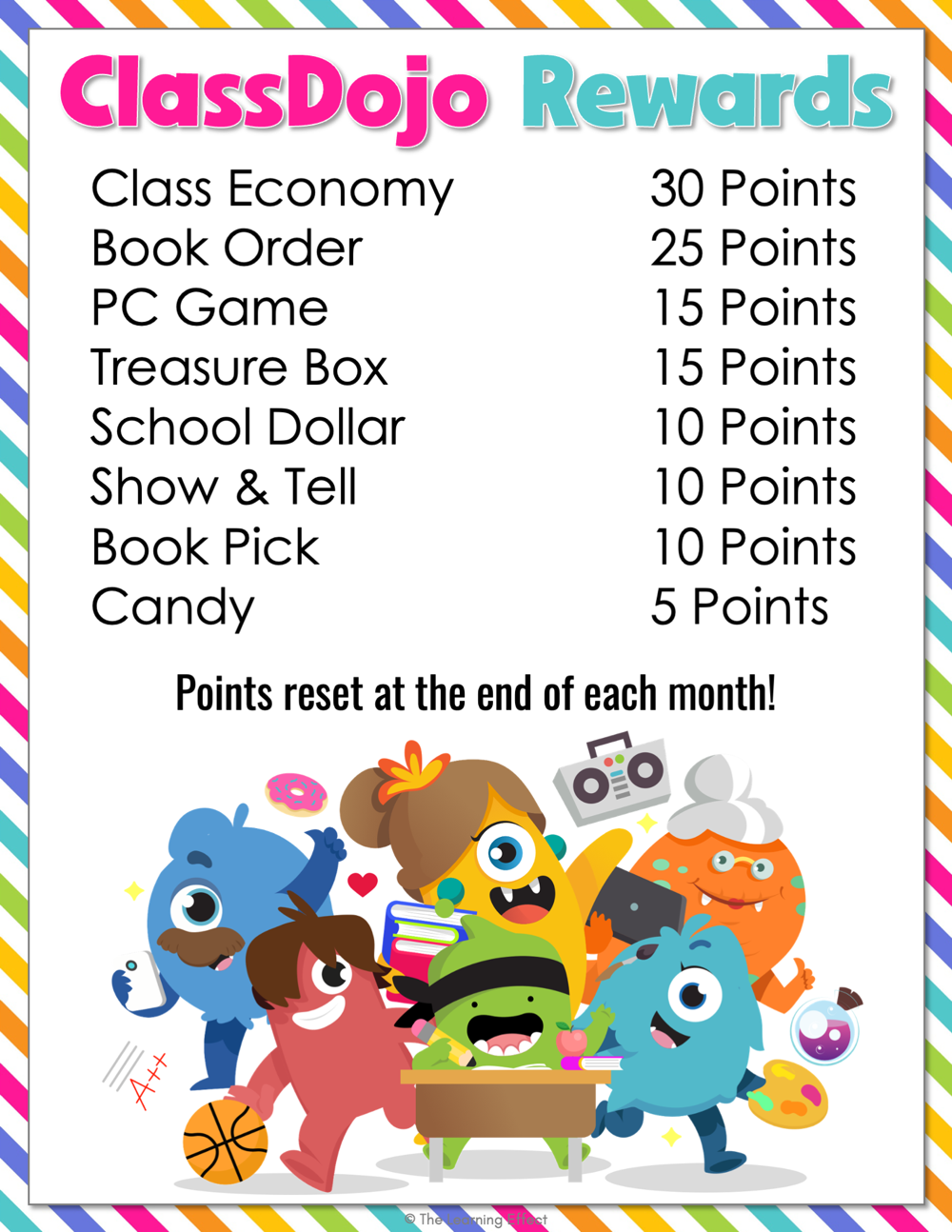
At month’s end, I’d track points on a checklist in my planner, then reset everyone to zero. Students loved trying to “beat” their previous month’s score!
The ClassDojo 100 Points Club
Want to really motivate your high achievers? Create a 100 Points Club display! Once students earned 100 total points, they got to choose a ClassDojo monster cutout with their name on it for a special bulletin board display.
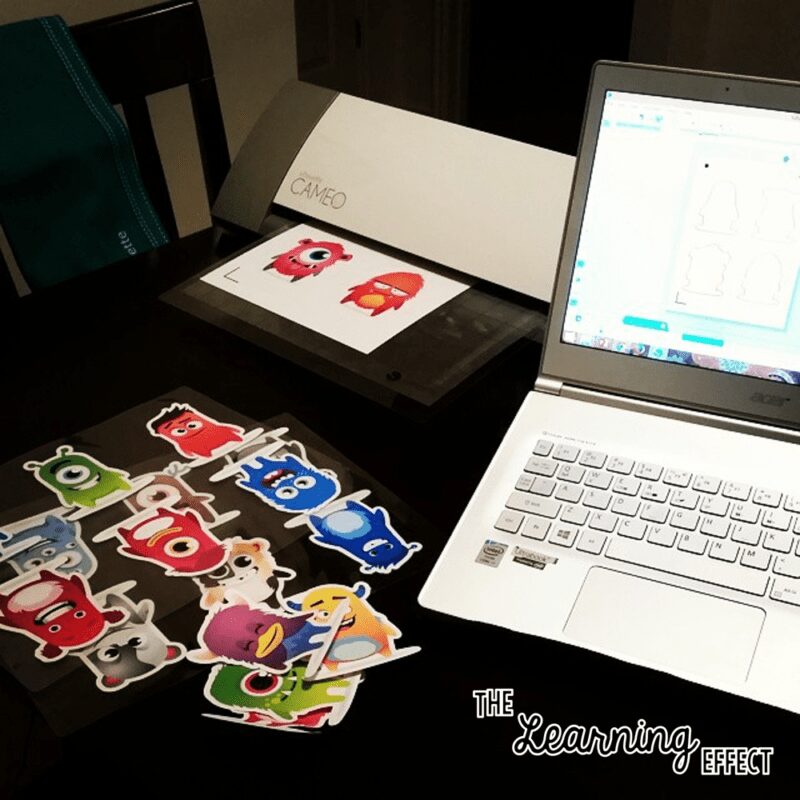
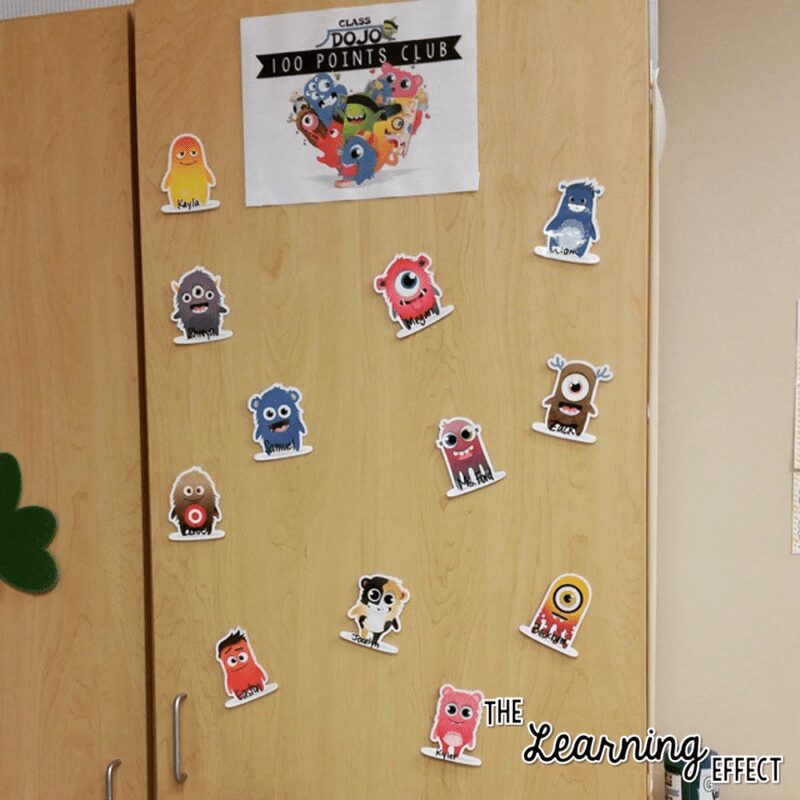
You can download free ClassDojo clipart from their website (look for the Decoration Pack) to create these special recognition pieces. Students were so proud to join this exclusive club!
Pro Tips for Upper Elementary Success
Assign a Dojo Officer: Make this a coveted classroom job! This student gives participation points during lessons and group work (but can’t deduct points). Students love having this responsibility.
Use the Messenger Feature: The built-in parent communication tool is incredibly convenient. Parents can check their child’s report and quickly message you with questions. You can download the entire communication log if needed for documentation.
Make It Social: Let students check their points periodically and celebrate classmates’ achievements. The friendly competition keeps everyone engaged.
Address the “Babyish” Factor: With 5th and 6th graders, acknowledge that the monsters might seem young, but emphasize the game-like aspects and the real rewards they can earn.
Once students earned 100 points (total), they got to choose a monster, and I wrote their name on it with a wet-erase marker. They thought they were so cool when they got to choose their monster for the 100 Points Club.
Troubleshooting Common Upper Elementary Challenges
“My students think it’s too childish”: Focus on the point-earning game aspect rather than the monster theme. Let them know that even middle schoolers use similar systems.
“Some parents never check the app”: This is why the monthly rewards are crucial – every student needs a reason to care beyond parent involvement.
“Students are too focused on points”: Use this to your advantage! Channel that energy into positive behaviors and gradually help them internalize good choices.
Ready to Transform Your Classroom Management?
ClassDojo has completely changed how I handle behavior management in upper elementary. The instant communication with parents, the student engagement, and the clear tracking system make classroom management so much smoother.
Want to get started with your own reward system? I’ve created a FREE ClassDojo Rewards resource with point tracking sheets and reward ideas specifically designed for upper elementary students. Download it here and start implementing ClassDojo in your classroom tomorrow!
Looking for more classroom management strategies? Check out my post on 10 Classroom Management Tips for Upper Elementary for additional ideas that work perfectly alongside ClassDojo.