Staring at a blank schedule, wondering how to fit reading, math, science, and everything else into just six hours? You’re not alone. Creating a 4th grade daily schedule that actually works takes more than just plugging subjects into time slots – it requires understanding your students’ energy patterns, state requirements, and the delicate balance of keeping everyone engaged while covering everything you need to teach.
After years of tweaking and refining my own 4th grade daily schedule, I’ve learned that the best schedules aren’t just about time management – they’re about creating a rhythm that supports both learning and sanity (yours and theirs!). Let me walk you through everything you need to know to build a schedule that works for your unique classroom.
Essential Components Every 4th Grade Schedule Needs
Before you start mapping out time blocks, you’ll need to account for the non-negotiables that every 4th grade teacher faces. These are the foundation pieces that will shape everything else in your day.
State Requirements and Testing Considerations In many states (I’m currently in Utah), 4th grade is when students first encounter state science testing, which means daily science instruction becomes crucial. You’ll also need adequate time for ELA and math to prepare for state assessments. Check your state’s minimum time requirements – they vary, but most require at least 90 minutes for ELA and 60-90 minutes for math.
Specials and Interventions Your schedule will need to work around specials, plus any intervention programs your school runs. These fixed appointments often determine when you can schedule your core subjects, so get this information first.
Energy and Attention Patterns Fourth graders typically have their highest focus in the morning, making it ideal for your most challenging content. However, they also need movement breaks more frequently than older students.
Breaking Down a Successful 4th Grade Daily Schedule
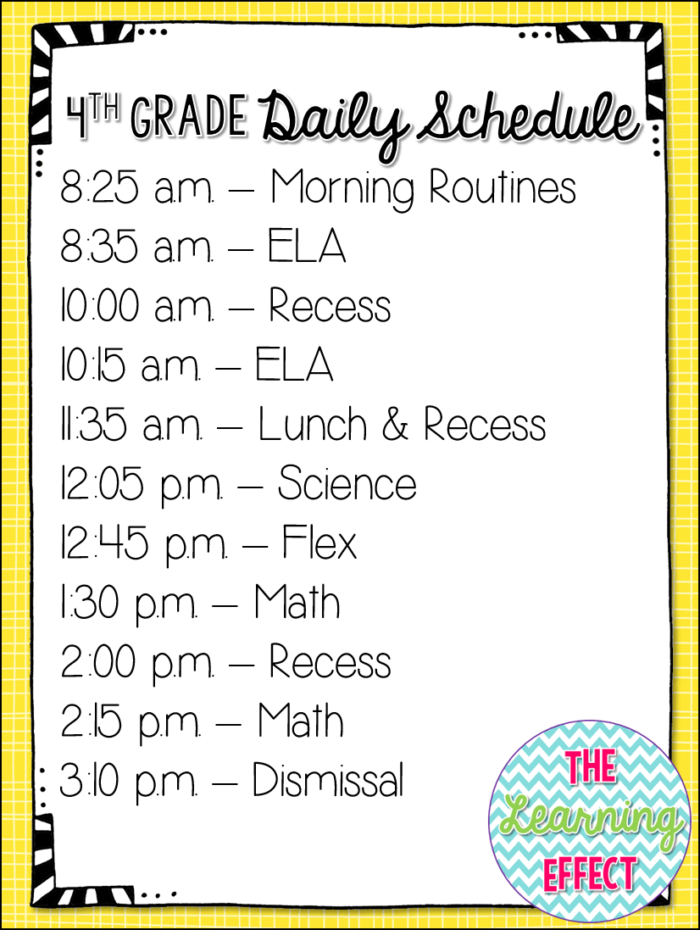
Let me share how I structure my day and why each piece works where it does. Remember, this is just one example – your schedule should reflect your school’s constraints and your students’ needs. (Please note: This blog post was originally written in 2015 when I was working in a charter school in Utah. Times have certainly changed since then.)
Morning Routine (15 minutes)
We start each day with jobs, attendance, and getting organized. My Homework Handlers check in assignments while our Planner Pro reviews student planners. This routine gives everyone time to transition into learning mode while taking care of necessary business.
ELA Block 1 (60 minutes)
I’ve learned to front-load the heavy literacy work when students are freshest. We tackle our most challenging reading comprehension and writing instruction during this block.
One game-changer for me has been shifting from traditional spelling homework to weekly writing assignments. The improvement in my students’ writing has been tremendous! When you give kids regular practice with authentic writing tasks instead of isolated spelling lists, they naturally become better at both spelling and expressing their ideas.
ELA Block 2 (45 minutes)
This second block works perfectly for guided reading groups, independent reading, or continuing writing projects. I also use this time for Scholastic News and Time for Kids with our Comprehension Toolkit activities, plus daily fluency practice with 6 Minute Solution.
Math (75 minutes)
Even though I’d prefer to teach math in the morning when students are most alert, our master schedule puts it here – and honestly, it works fine. The key is building in movement and variety within your math block.
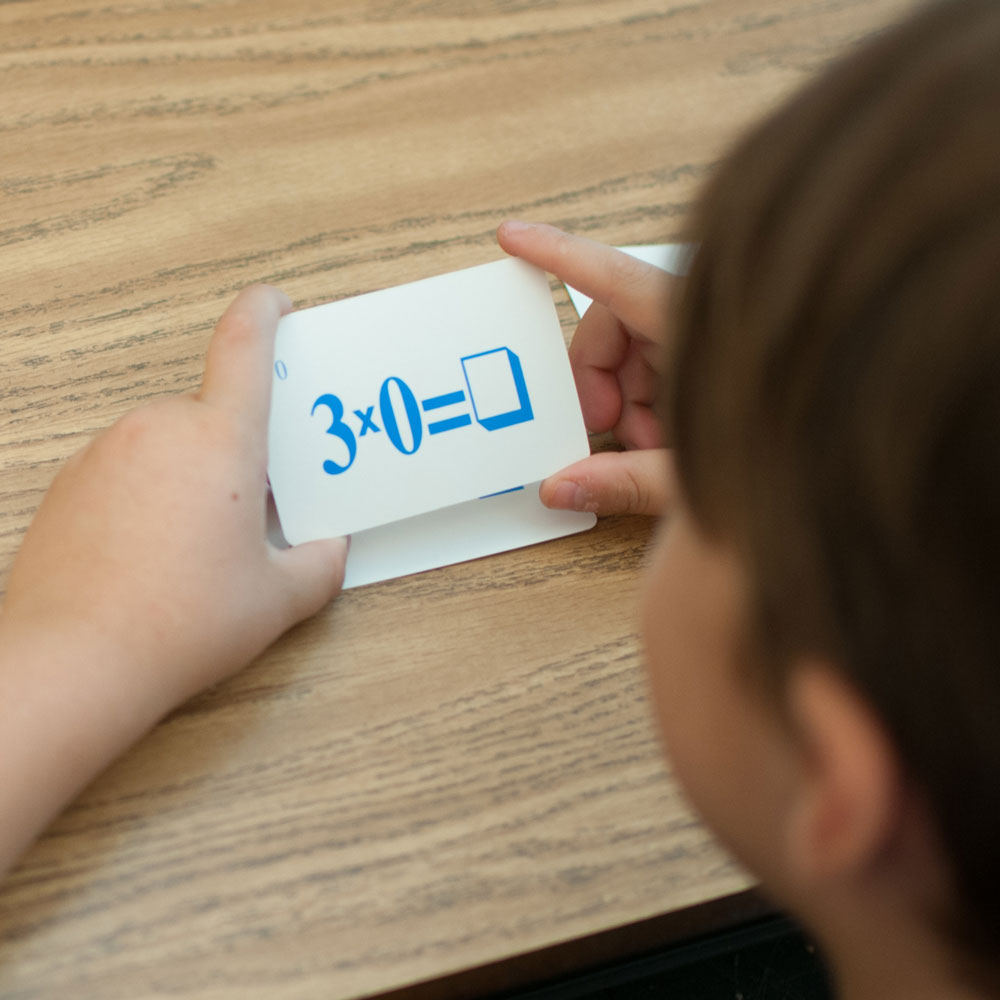
My students do Monster Math multiplication and division timings daily, and they absolutely love the challenge. We also dedicate time to practicing previous and current topics through hands-on activities, math centers, and games. The variety keeps everyone engaged even during this afternoon slot.
Science (30 minutes)
Since science is state tested beginning in 4th grade, daily instruction is non-negotiable. I love teaching science because the 4th grade topics are so engaging – weather, water cycle, soil, fossils, rocks and minerals, and local ecosystems.
Currently, we’re working on ecosystem research projects where students create both a book and diorama about Utah plants and animals, culminating in a celebration with other grades and parents. Projects like these make science feel relevant and exciting rather than just another subject to squeeze in.
Flex Time (30 minutes)
This flexible block saves my sanity. Sometimes it’s specials (music, art, PE, keyboarding), other times it’s social studies, health, or business/finance lessons. I also use this time for art projects or catching up when we need extra time in other subjects. (The charter school I work at doesn’t have dedicated specialists, so I have to teach some of the specials a few times a month.)
The beauty of a flex block is that it gives you breathing room. Some days math runs long, other days you want to extend that amazing science discussion – flex time lets you be responsive to your students’ needs without derailing your entire schedule.
Tips for Customizing Your 4th Grade Daily Schedule
Work Backwards from Fixed Points Start with lunch, specials, and intervention times that you can’t change, then build around them. You’ll quickly see which time blocks are available for core subjects.
Consider Your Students’ Energy Patterns Most 4th graders focus best in the morning, but every class is different. If your students consistently struggle with afternoon math, advocate for a morning slot. If that’s not possible, build in more movement and hands-on activities during afternoon instruction.
Plan for Transitions Build 5-10 minute buffers between major subject changes. Fourth graders need time to mentally shift gears, put away materials, and get organized for the next activity. Rushing transitions creates stress and wastes learning time.
Make Strategic Subject Pairings Some combinations work beautifully together. Science and writing complement each other well – students can write about their observations or research. Math and art naturally connect through geometry and measurement projects.

Common 4th Grade Scheduling Challenges (And How to Solve Them)
Challenge: Not Enough Time for Everything This is the universal teacher struggle! The solution isn’t finding more time – it’s being strategic about integration. Can students practice math facts during morning routine? Can they write about science topics? Look for natural connections that let you address multiple standards simultaneously.
Challenge: Interrupted Schedules Assemblies, field trips, and testing will disrupt your beautiful schedule regularly. Build flexibility into your weekly plans by identifying which lessons can be shortened, combined, or moved without losing essential content.
Challenge: Varying Student Needs Some of your 4th graders may still need frequent breaks, while others can focus for longer periods. Design your schedule with natural breaking points where you can extend or shorten activities based on how the class is doing that day.
Challenge: State Testing Pressure Yes, you need to prepare students for assessments, but don’t let testing drive your entire schedule. A balanced approach that includes regular practice, review games, and test-taking strategies woven throughout the year works better than cramming before test dates.
Making Your Schedule Work in Real Life
The perfect schedule on paper means nothing if it doesn’t work with real students in your real classroom. Here’s what I’ve learned about making schedules sustainable:
Start with a draft and adjust. Your first attempt won’t be perfect, and that’s okay. Give yourself permission to tweak and modify as you learn what works for your specific group of students.
Communicate your schedule clearly. Post your daily schedule where students can see it, and refer to it regularly. Fourth graders thrive on routine and knowing what comes next.
Build in review time. I learned the hard way that rushing through content without adequate review leads to gaps later. Better to teach fewer concepts thoroughly than to race through everything superficially.
Don’t forget about yourself. Your schedule needs to be sustainable for you too. If you’re exhausted by October, something needs to change.

Bringing It All Together
Creating an effective 4th grade daily schedule is part science, part art, and part trial and error. The key is remembering that your schedule should serve your students’ learning, not the other way around.
Start with your non-negotiables, consider your students’ developmental needs, and don’t be afraid to make adjustments along the way. The best schedule is the one that helps your students thrive while keeping you sane – and that might look different from what works in the classroom next door.
Remember, you’re not just planning time slots – you’re creating a framework for learning, growth, and those magical classroom moments that make teaching worth it. Take the pressure off yourself to get it perfect immediately, and focus on building something that works for your unique situation.
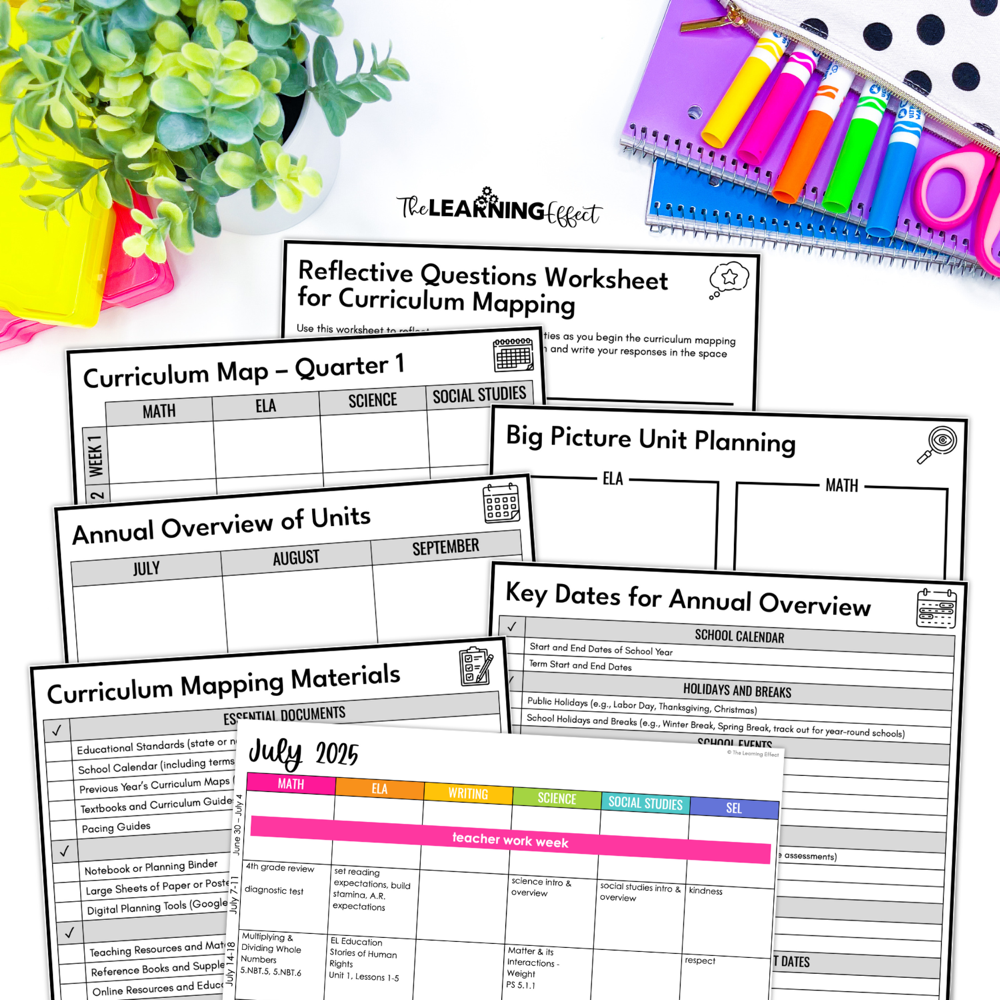
Want to take your planning to the next level? Grab my free Curriculum Mapping Guide to ensure your daily schedule aligns perfectly with your curriculum goals and pacing. It’s the missing piece that helps everything click into place!