
Between lesson planning, grading stacks of papers, and managing classroom behaviors, we’re all constantly searching for ways to save time during the school day. What if I told you that three simple changes could help you leave school closer to contract hours instead of staying late every night?
I’ve been there – rushing to finish copies at 5 PM, staying after school to organize supplies, and feeling like there were never enough hours in the day. But after implementing these strategies, I saved 15-20 minutes daily and several hours each week. These aren’t complicated systems that take forever to set up. They’re practical tweaks that busy upper elementary teachers can start using tomorrow.
The ultimate goal isn’t just efficiency – it’s getting back some of that work-life balance that feels impossible during the school year. Small changes to your classroom systems and routines can make a surprisingly big difference in how you save time during the school day.
Use Student Jobs to Save Time During the School Day
Here’s the truth: there are plenty of tasks students can handle that we often do ourselves without thinking. I’m not talking about giving kids busy work – I mean meaningful classroom jobs that actually help your day run smoother.
I only created jobs for things that absolutely needed to be done. No fluff positions just to make everyone feel important. Instead, I looked at my daily routine and asked, “What am I doing that a student could handle?”
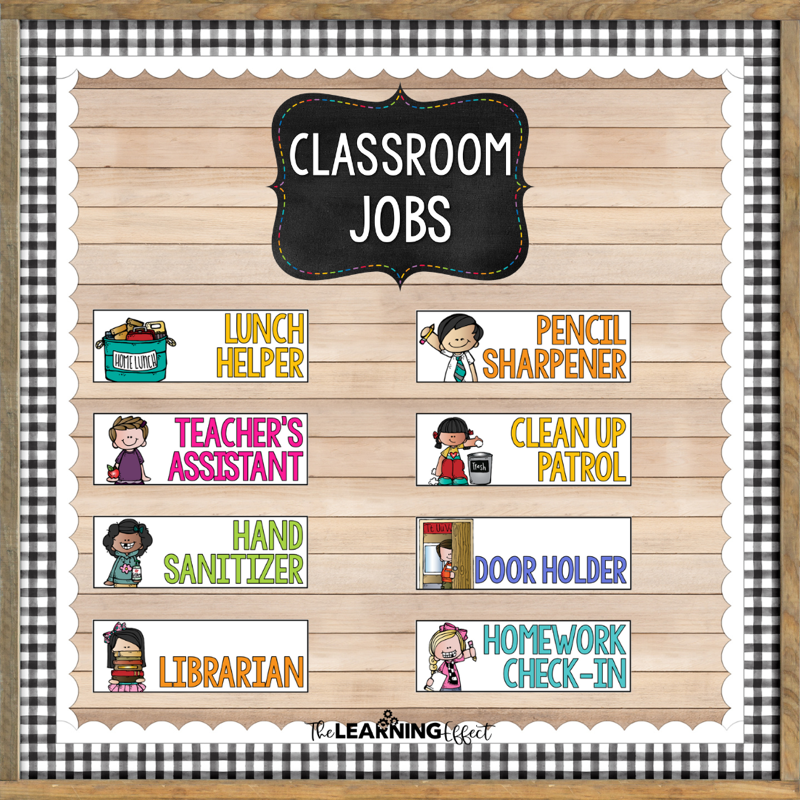
Some of my favorite time-saving student jobs:
- Paper passer – saves trips around the room during transitions
- Supply manager – handles passing out materials, organizing supplies, tossing dead markers
- Tech guru – turns computers on in the morning, shuts them down at day’s end, plugs in devices, organizes headphones
- Clean-up crew – sweeps floors, places trash outside, cleans whiteboards
These small tasks were eating up chunks of my day. I couldn’t remember to take the lunch count to the cafeteria (my brain was too full!), so that became a job too. Delegating these responsibilities freed up about 15-20 minutes daily – time I could spend on actual teaching or prepping for the next day.
What about accountability? We talked about how adults have consequences when they don’t do their jobs well. Students got a warning (or two), then were “let go” from the position if needed. I also made sure to reward good work – whether through classroom economy payments, raffle tickets for the treasure box, or simple recognition. Just like we get paid for our work, they needed some incentive too.
Batch Similar Tasks to Maximize Efficiency
One of the most effective ways to save time during the school day is batching similar tasks together instead of jumping between different types of work. This approach saved me 2-3 hours per week compared to doing tasks piecemeal.
For lesson planning, I’d pull all resources that needed copying on one day, then do all my copying on another day. Much more efficient than the grab-a-few-things, make-copies, repeat cycle I used to do.
When I worked at a charter school with one copier for grades K-9, I only wanted to visit that machine once per week. No more waiting in line behind other teachers or making multiple trips. I’d come in early one morning and knock out all my copying for the entire week.
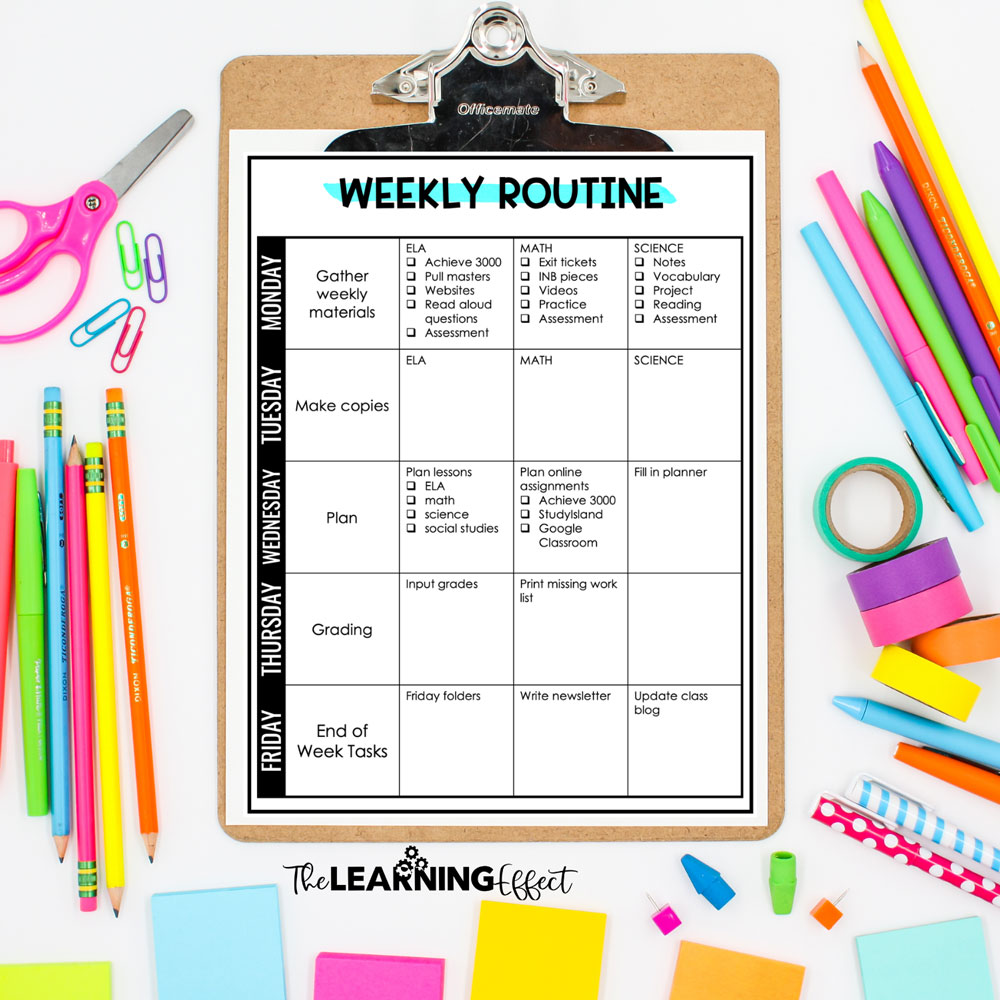
My batching schedule looked like this:
- Weekly: All copying done on Tuesdays
- Monthly: File master copies back into binders
- Quarterly: Update curriculum links and class website files
Batching works because you’re focused on the same type of task for a set amount of time. Your brain doesn’t have to keep switching gears, and you develop a rhythm that makes you more efficient. Plus, it helps you save time at school AND at home because there’s less to take home on weekends.
Create a Focused To-Do List That Actually Works
Before you roll your eyes thinking “obviously, make a to-do list,” hear me out. Traditional to-do lists can actually make busy teachers feel more overwhelmed. When you write down every single thing you need to do, you end up with an intimidating list that leaves you paralyzed about where to start.
The solution? A focused to-do list that’s broken into manageable sections. Instead of one massive list where you’re jumping around trying to cross things off, organize your tasks by day of the week or priority level.
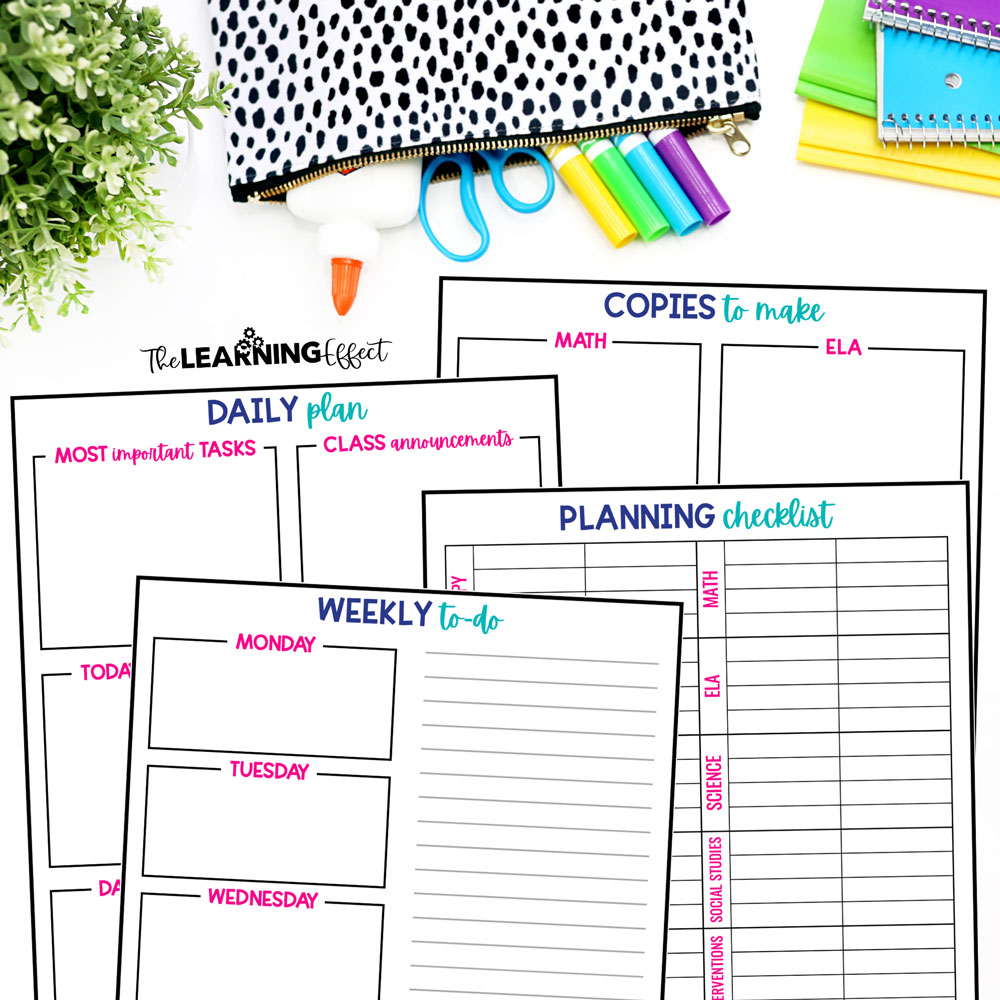
This approach makes you more intentional with your time during the school day. You’re not constantly switching between different types of tasks or forgetting important deadlines. When you can see exactly what needs attention and when, you’ll find yourself working more efficiently and feeling less scattered.
I used different sections for immediate priorities, this week’s goals, and longer-term projects. This way, I could focus on what truly needed my attention each day without getting distracted by everything else on my plate.
Bonus Tip: Prepare for Unexpected Absences to Save Time During the School Day
One thing that can completely derail your time-saving efforts? Having to scramble when you need a substitute teacher. I learned this the hard way after spending my entire prep period (and then some!) putting together last-minute sub plans.
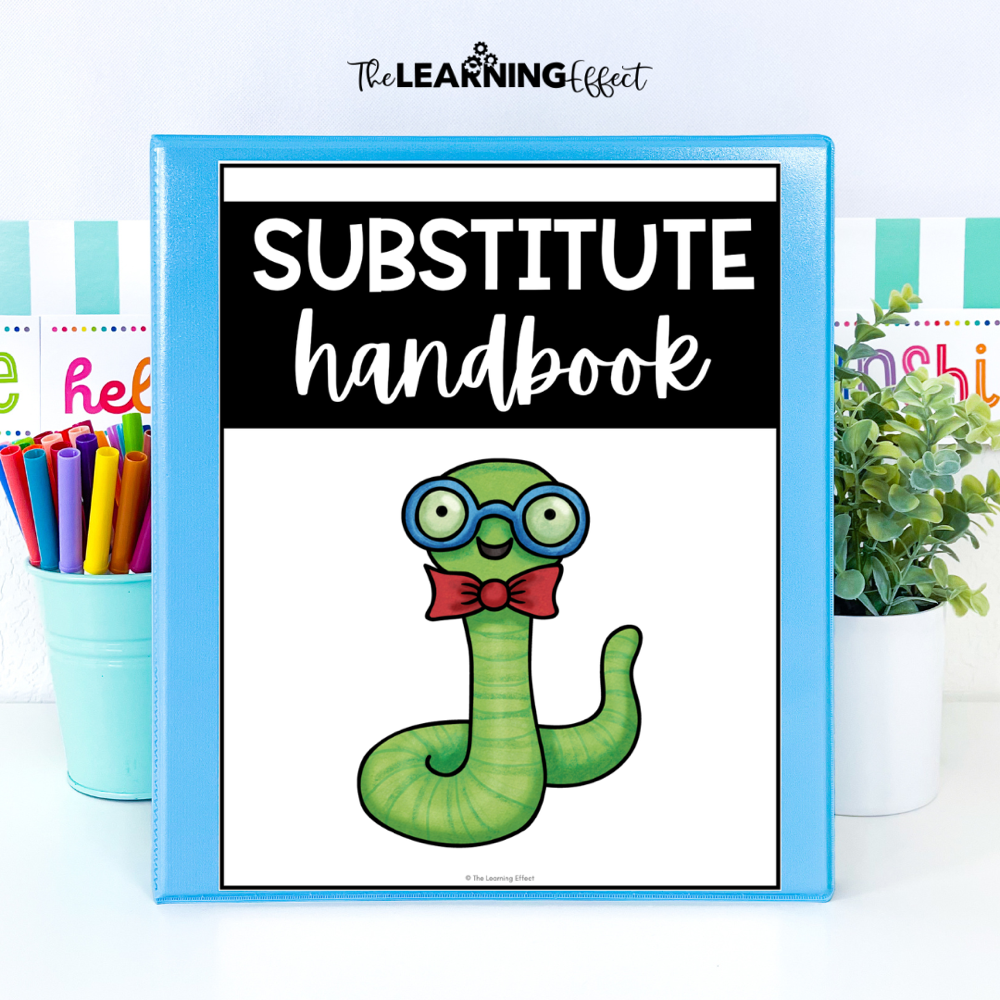
The solution? Create a substitute binder once and update it quarterly. When you have everything prepared ahead of time – from emergency lesson plans to detailed classroom procedures – you can call in sick without spending hours preparing materials the night before or early that morning.
Plus, your substitute will actually be able to follow your systems, which means less cleanup and fewer questions when you return. It’s a win-win that saves time during the school day even when you’re not there.
Ready to stop scrambling when you need a sub? Download my free substitute binder templates to get organized once and save time all year long.
Start Small and Build Your Time-Saving Systems
You don’t need to implement all of these strategies at once. Pick one that resonates with you and try it for a week. Maybe start with student jobs – they’re often the quickest to set up and show immediate results.
Remember, the goal isn’t perfection. It’s about finding small ways to save time during the school day so you can focus on what really matters: teaching your students and having some energy left for your life outside the classroom.
Which strategy will you try first? These simple changes helped me reclaim hours each week, and I know they can work for you too.