We’ve all been there – you’re teaching a math lesson and see those glazed-over expressions staring back at you. Getting students interested in math feels impossible some days, especially when you’re already stretched thin with lesson planning.
I used to rely heavily on worksheets until I discovered these three game-changing strategies that transformed my math classroom. I wasn’t a math whiz myself and honestly didn’t enjoy teaching it until I started adding these engagement techniques into my lessons. It changed everything for my students and me.
The best part? These strategies don’t require hours of prep time. If you’ve been using all worksheets, it’s time to add some variety to your math routine. Here are three proven ways to get students interested in math and refocused on learning.
Strategy #1: Transform Practice with Math Mystery Pictures
All worksheets are not created equal. While there’s nothing wrong with straight worksheet practice, adding a fun element can instantly make students interested in math.
Try a math mystery picture instead of assigning a worksheet from a workbook. Students solve the math problems and reveal part of a mystery picture with each correct answer. They’re available as printable solve-and-color activities or digital Google Sheets solve-and-reveal activities.
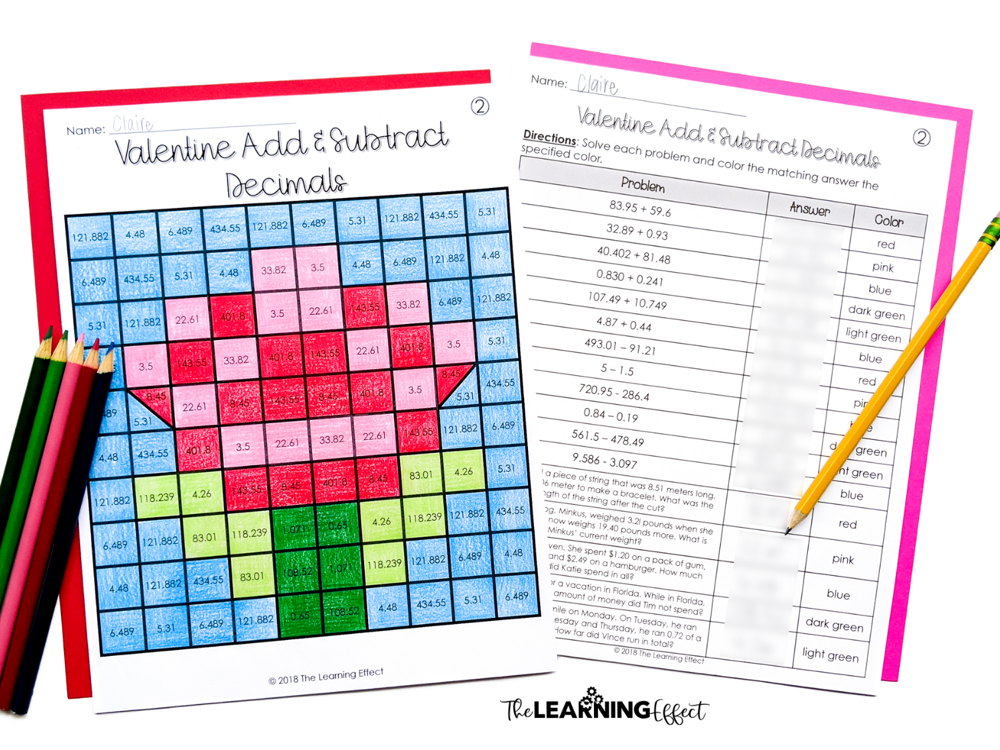
Your students will seriously love these and won’t want to quit until they finish! I’ve watched kids who typically rush through math work slow down and double-check their answers because they want to see the complete picture.
Teacher Time-Saver Tip: These take just 2 minutes to prep – simply print or assign digitally. No cutting, laminating, or special materials needed.
For more creative ways to use these engaging tools, check out my post on 3 Ways to Use Math Mystery Pictures for Skill Practice.
Strategy #2: Add Friendly Competition with Review Games
A little bit of friendly competition will make your students interested in math review like nothing else!
I always built in one day for review at the end of a math unit using Review Bowl math games. It’s something students looked forward to, and one way I got every student involved in reviewing – even my most reluctant mathematicians. These games play like Jeopardy and are competitively fun in the best way.
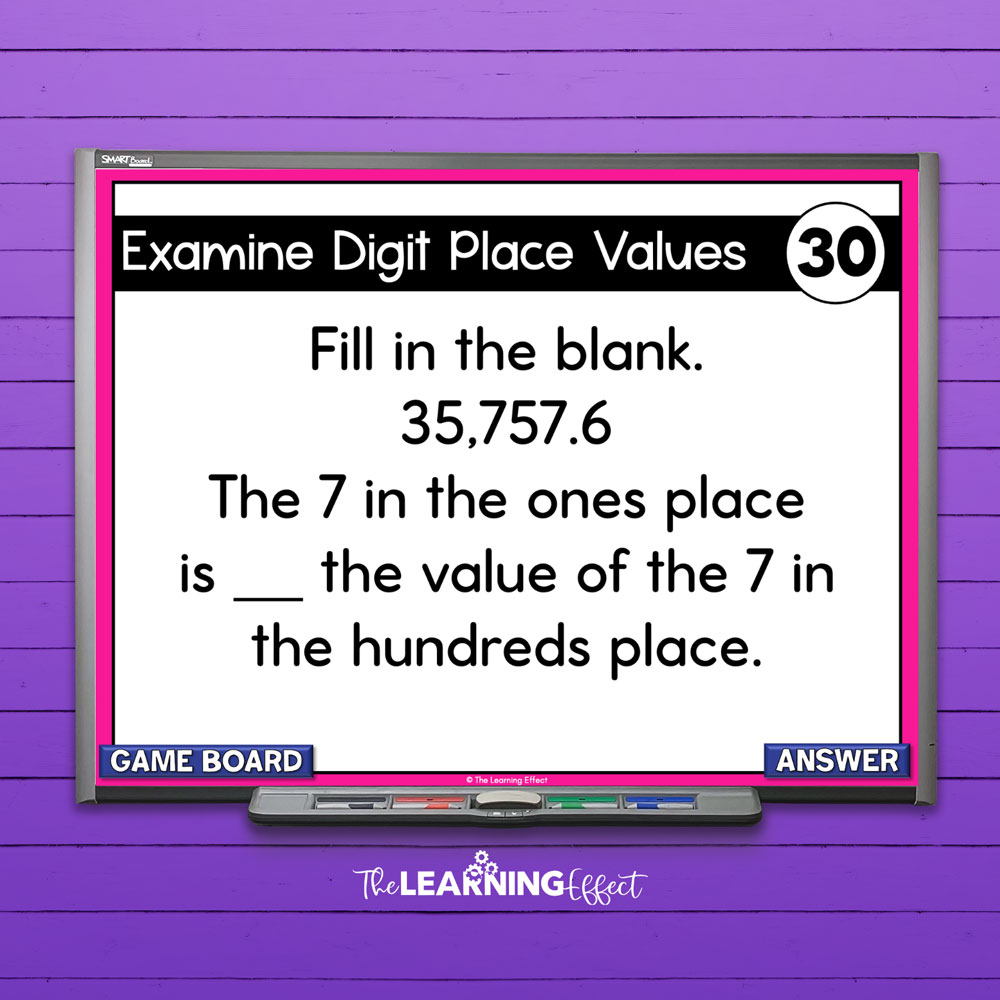
Students will literally beg to play again once you introduce Review Bowls in your classroom. I’ve had kids ask if we could skip recess to finish a game! The key is that everyone can participate regardless of their math level because you can adjust the difficulty of questions for different teams.
What makes this work: Set up teams of mixed abilities so stronger math students can support their teammates. This builds classroom community while keeping students interested in math concepts.
Want the complete setup guide? Read my detailed post about Your Complete Guide to Review Bowl Math Games for step-by-step instructions.
Strategy #3: Replace Tests with Real-World Performance Tasks
You can only see so much of what a student understands on a traditional pencil-and-paper test. Using a performance task in place of a test can demonstrate their knowledge, understanding, and proficiency of a standard while keeping students interested in math learning.
One example that works beautifully is Mission: Design a Park for practicing multiplying fractions by whole numbers. Students follow given criteria to determine the amount of space each park amenity requires and design their own park. It’s a fun way for students to show what they know while applying math to a real-world scenario.
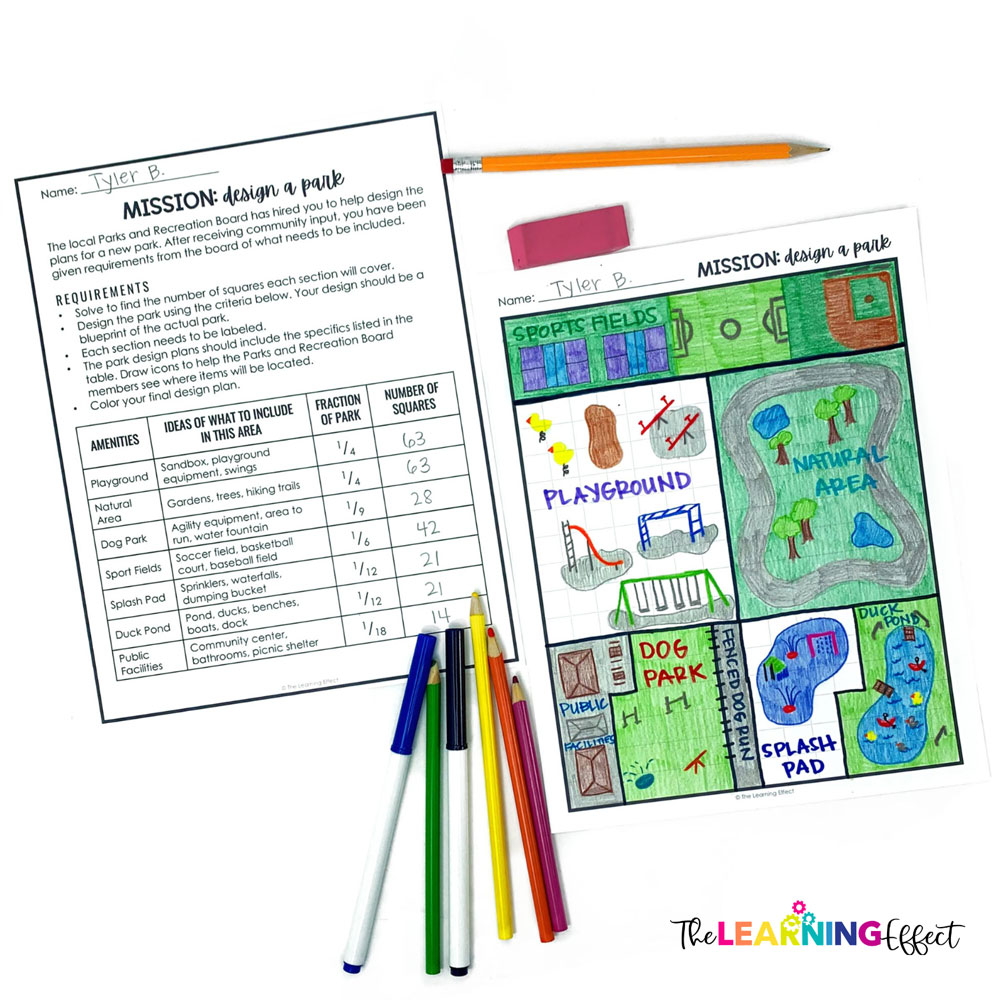

These performance tasks take the same amount of time as a traditional test but give you so much more insight into student thinking. Plus, students are actually excited to “take the test” because it doesn’t feel like one!
Implementation tip: Start with replacing just one unit test per quarter. You’ll quickly see why this approach keeps students interested in math while giving you better assessment data.
For more engaging assessment ideas, explore my post on 4 Effective Math Test Prep Activities Your Students Will Actually Enjoy.
Want Even More Ways to Keep Students Interested in Math?
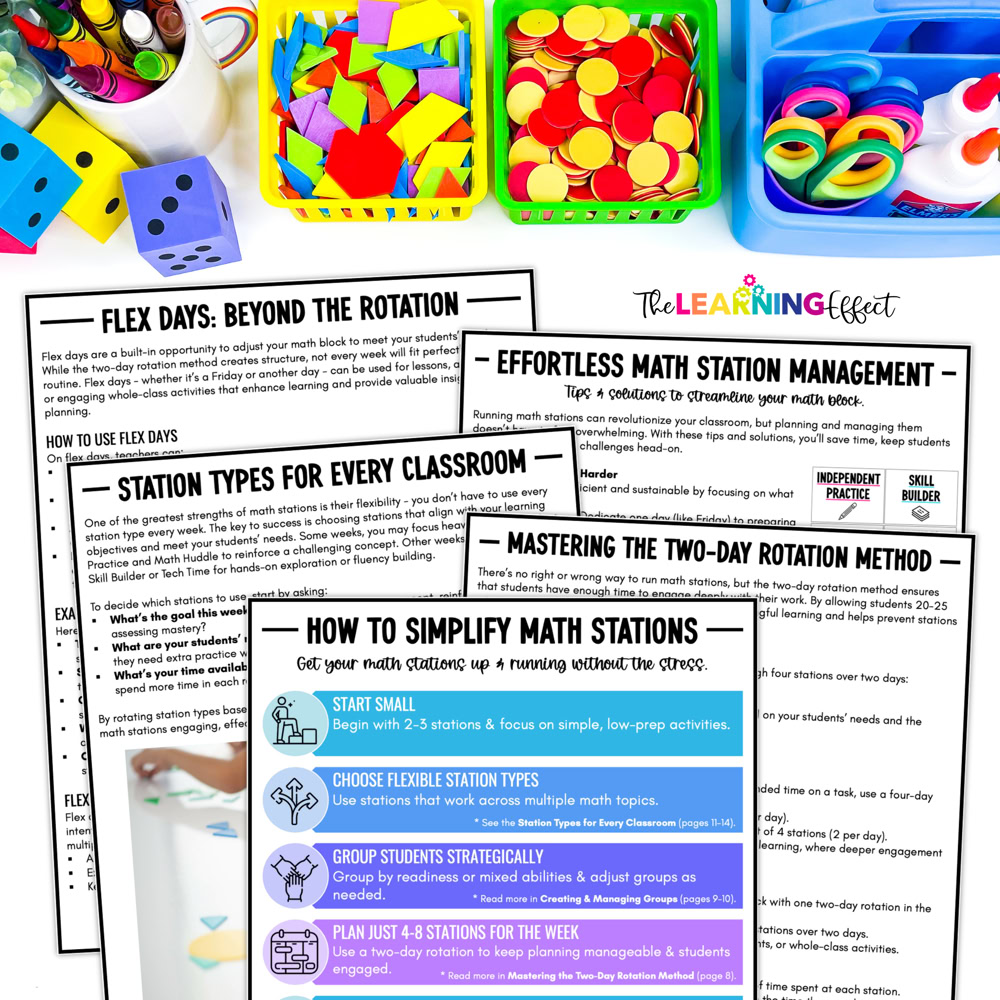
If these strategies are working in your classroom, you’ll love having a systematic approach to math centers that keeps students engaged while you work with small groups. My Math Stations Made Simple guide walks you through setting up rotation stations that students actually want to participate in – no more behavior management headaches during math time.
This free guide includes templates, organization tips, and ready-to-use station ideas that complement the strategies above. You’ll discover how to create independent math activities that keep all your students actively engaged in learning.
Ready to Make Math the Favorite Subject?
Getting students interested in math doesn’t have to mean reinventing your entire curriculum. Start with one of these strategies this week and watch how quickly your students’ attitudes shift. I’ve seen it happen countless times – kids who used to groan during math time suddenly asking when we’re doing math next.