It’s never too late in the school year to establish an end of day routine in your classroom. Having predictable procedures will calm the chaos and ensure you get everything done before students head home for the day.
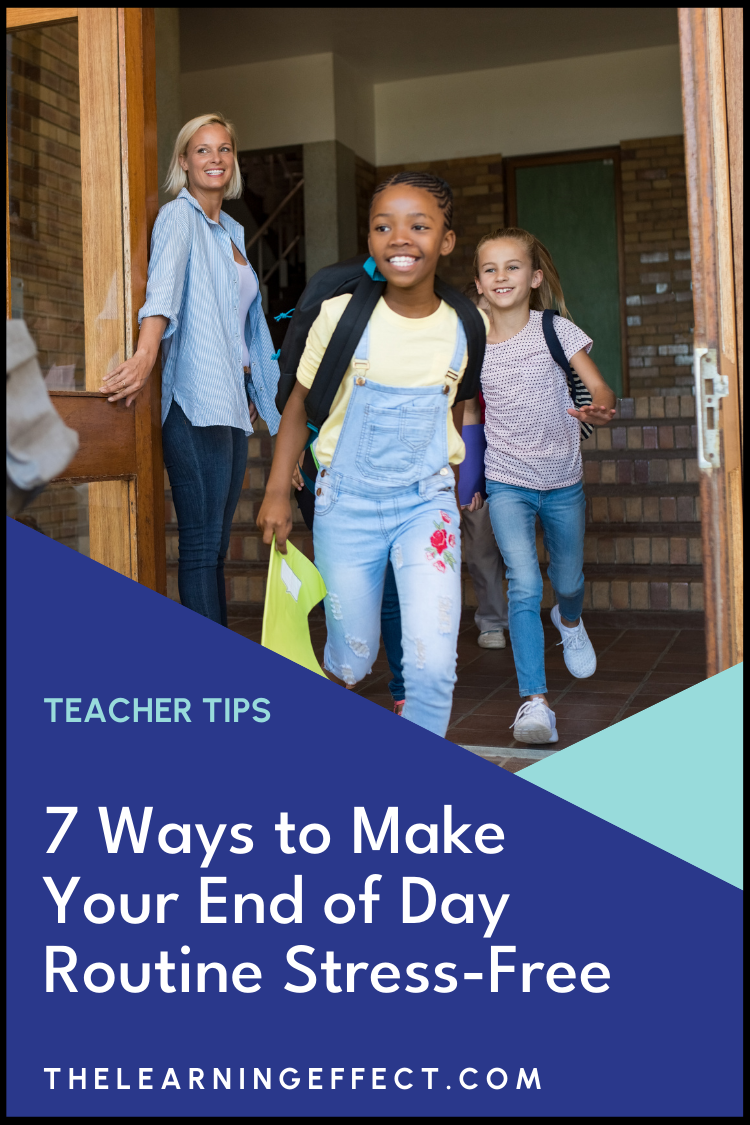
Dismissal looks different at every school. Maybe your car riders leave first while bus riders wait, or maybe everyone heads out at the same time in a mad dash. Whatever your situation, a solid end of day routine makes those final minutes so much smoother for you and your students. It prevents forgotten papers, reduces stress, and gives everyone a sense of calm closure to the day.
These seven strategies helped keep my 5th grade students organized and peaceful during dismissal, even when we had 15 to 30 minutes of unpredictable wait time. Pick and choose what works for your classroom!
1. Fill Out Agendas & Pack Important Items in the Morning
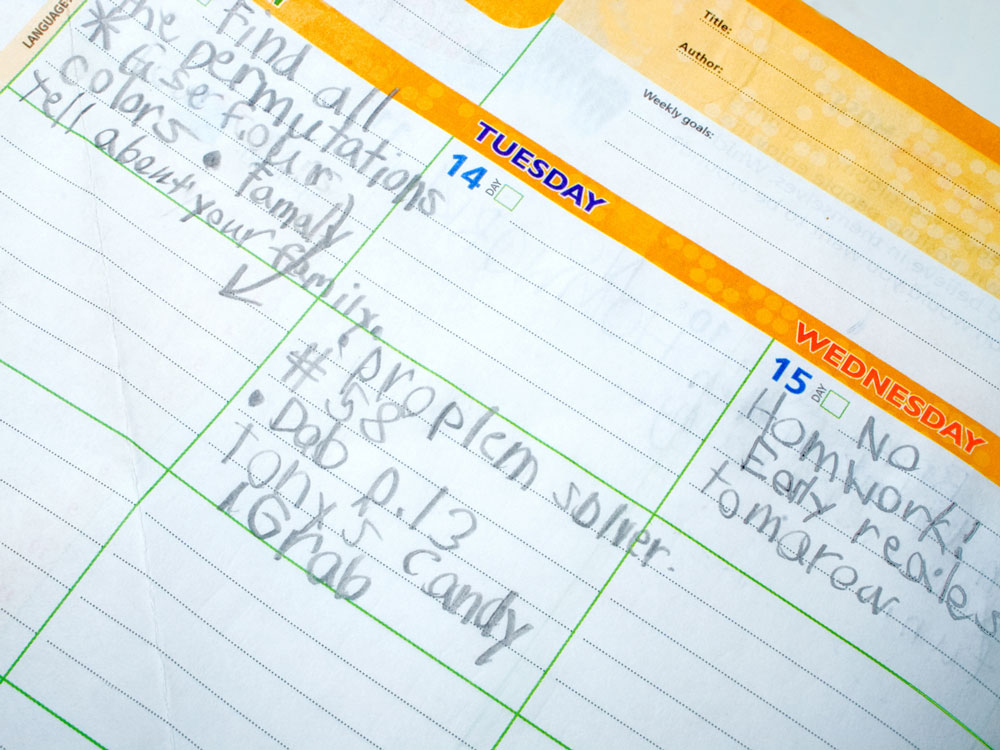
This one tip changed everything for me. Have your students fill out agendas and pack things to go home in their backpacks first thing in the morning – not at the end of the day.
Why does this work so well? You can actually teach right up until dismissal without that last-minute scramble to pass out papers or write homework on the board. Plus, students who get checked out early won’t miss anything important. You’ll never again have that sinking feeling when a student leaves at 1:00 and you realize the permission slip is still sitting on your desk.
2. Start Your End of Day Routine Early

Be realistic about how much time your end of day routine actually takes. I used to think we could knock everything out in five minutes. We could not.
If you have students who leave earlier than others at dismissal, have them begin the routine first while everyone else keeps working. This staggers the chaos and prevents that overwhelming moment when 25 students all try to grab backpacks, clean desks, and line up simultaneously. Build in more time than you think you need – it’s easier to fill extra minutes than to rush through something important.
3. Clean the Classroom

Here’s a game-changer that takes three minutes and gets your floor spotless: “magic piece of trash.” This works wonders at any elementary level, and my 5th graders absolutely went crazy for it.
Here’s how it works: Before students start picking up, I’d secretly choose one specific piece of trash on the floor as the “magic” one. Then students would pick up trash and show me each piece before throwing it away. I wouldn’t reveal who had the magic piece until the whole floor was clean.
The winner got something small – a high five, a piece of candy, or a sticker. It could be anything, really, and they’d still participate every single time. The competition kept them engaged, and I had a clean classroom without nagging.
In upper elementary, students are absolutely capable of taking responsibility for keeping our space tidy. It builds pride in the classroom and teaches them that we all contribute to our environment.
4. Assign Student Jobs
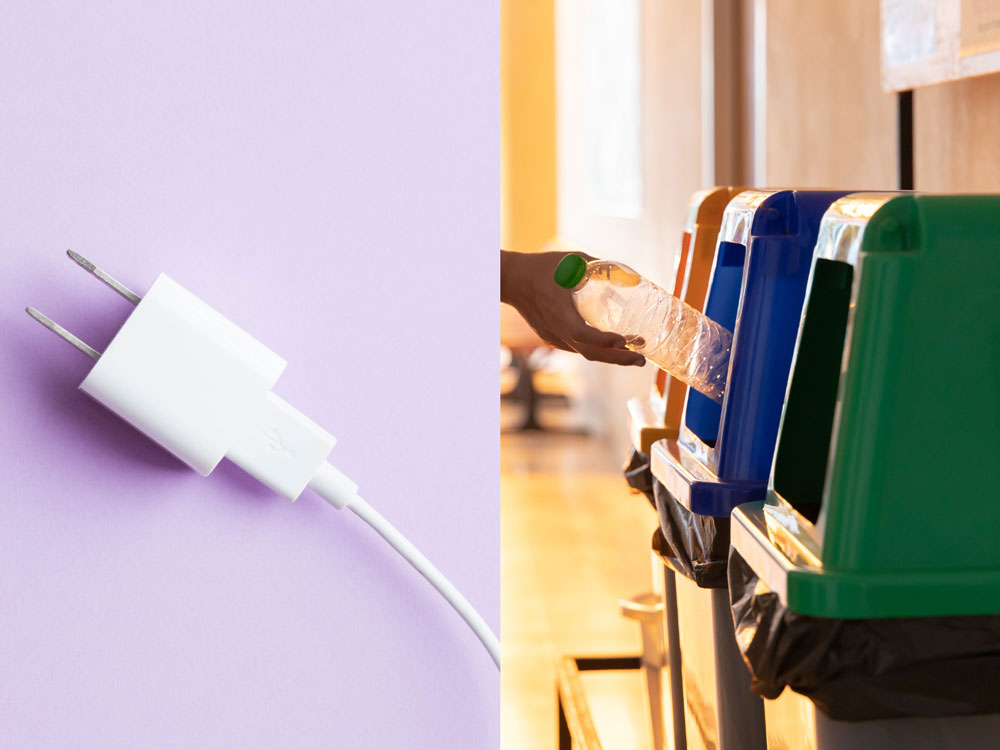
There are so many simple jobs your students can do during dismissal that genuinely help you out. A few that I assigned were:
- Charging and turning off technology
- Putting away supplies
- Straightening the classroom library
- Placing trash cans outside the door
- Emptying recycling bins
- Changing the date on the board
Giving students ownership over these tasks meant I could focus on the bigger picture – making sure everyone had what they needed to go home. Plus, when students have a job, they’re less likely to get antsy during wait times.
For more ideas on creating predictable classroom systems, check out my post on 10 Classroom Management Tips for Upper Elementary.
5. Tidy Desks
I designated one day a week as “tidy desk day” – usually Friday. Students cleaned out their desks and organized everything. They recycled papers they didn’t need, tossed trash, and put things in their backpacks to go home.
This took an extra few minutes beyond our regular end of day routine, but it was worth it. Come Monday morning, we weren’t dealing with students digging through crumpled papers and lost worksheets. A little prevention goes a long way.
6. Control How Students Gather Their Belongings
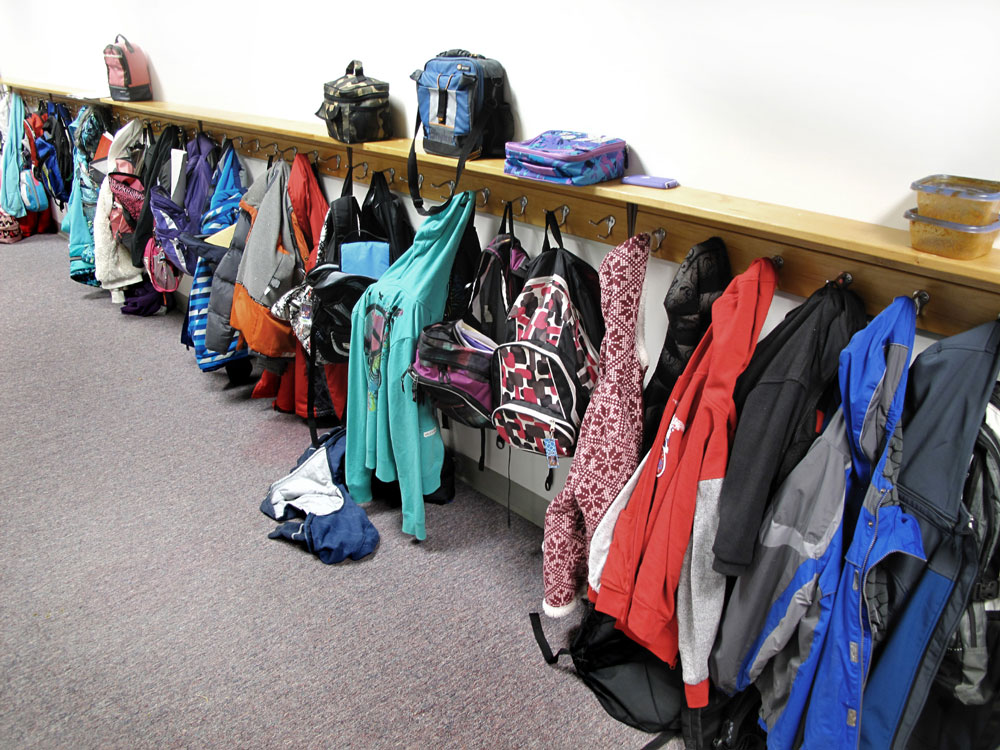
I’ve never worked at a school with a great storage system for backpacks and coats. It’s usually a jumbled mess of hooks that are too close together, with not nearly enough space for everyone.
Here’s the key: never let all students go get their things at once. The chaos is real.
Instead, I rotated through different methods to keep things organized:
- Call students by name: “Table 1, you can get your backpacks now.”
- Use clothing colors: “If you’re wearing blue, go ahead and grab your things.”
- Pick random characteristics: “Everyone with sneakers can go,” or “If your birthday is in the spring, it’s your turn.”
Switching up the method kept it interesting and prevented students from rushing because they knew their group would get called eventually. It sounds like a small thing, but this simple strategy eliminated so much pushing and frustration.
7. Plan “Waiting” Time Fillers

If your students have extended wait time during dismissal, having calm activities available is essential. You want something engaging enough to keep them occupied but not so exciting that they don’t want to leave when their bus arrives.
The goal is to keep students productive and peaceful, not wound up. Here are activities that worked well for me:
- Puzzles – I bought a few from the dollar store and kept one on a table for students to work on during dismissal. They loved the ongoing challenge of finishing it throughout the week.
- Independent reading
- Working on homework – Some students appreciated the quiet time to get started.
- Getting extra help with math – This was a great time for me to pull a student aside for quick reteaching.
- Brain teasers or trivia questions – I’d write one on the board for them to think about.
- Coloring pages or drawing
- Would You Rather questions – These sparked great conversations while they waited.
Having a predictable menu of options meant students knew exactly what to do, and I didn’t have to manage behavior during those tricky in-between minutes.
Make Every Part of Your Day Run Smoothly
Creating a calm, organized end of day routine is one of the best things you can do for your sanity and your students’ sense of security. When everyone knows what to expect, those final minutes stop feeling frantic and start feeling… well, almost easy.
Want even more ways to create predictable classroom routines that practically run themselves? My free Substitute Binder Templates will show you how clear procedures make every part of your day smoother – whether you’re there or not.