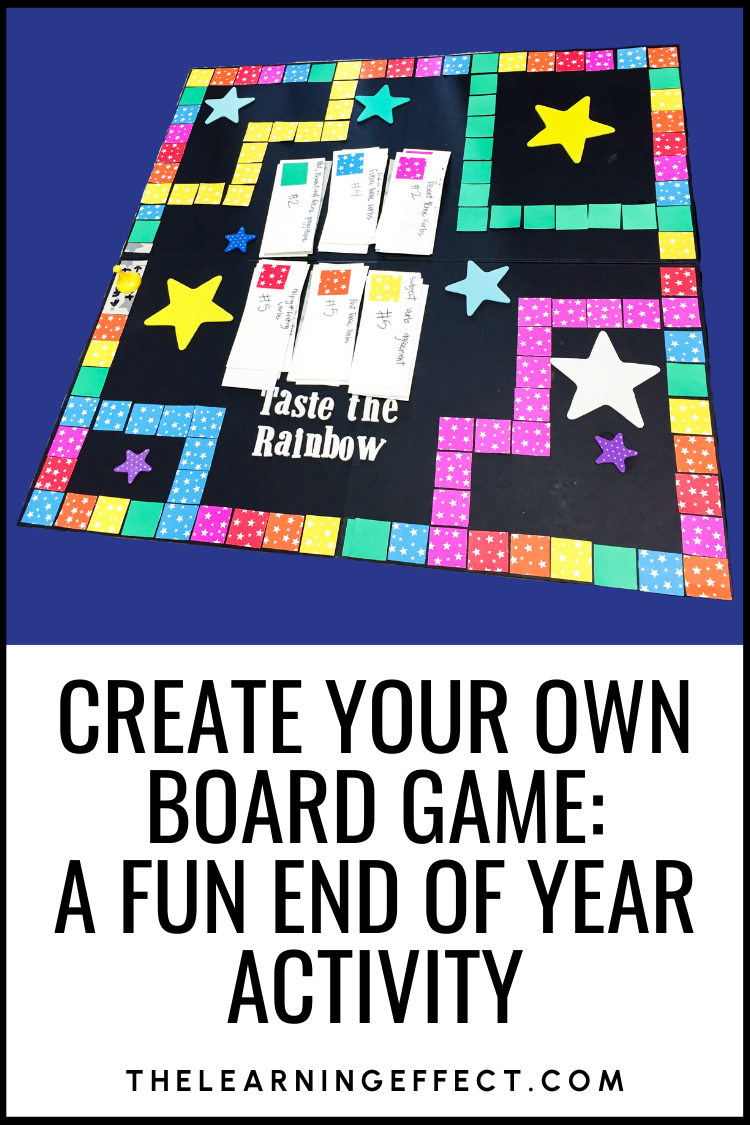
Are you searching for an engaging end-of-year activity that combines creativity with academic review? Having students create their own board games is the perfect solution! This hands-on project not only reinforces important concepts but also develops critical thinking, collaboration, and problem-solving skills – all while keeping students motivated during those final weeks of school.
Why the Create Your Own Board Game Project Works So Well
Board game creation naturally encourages students to think critically about the content they’ve learned. As they design games around academic standards, they’re actually reviewing and synthesizing information in a meaningful way. Here’s what makes this activity so valuable:
- Testing each other’s games reinforces learning through play
- Students apply content knowledge in a creative context
- The project builds collaboration and communication skills
- Creating clear instructions develops important writing skills
- Designing game mechanics encourages logical thinking
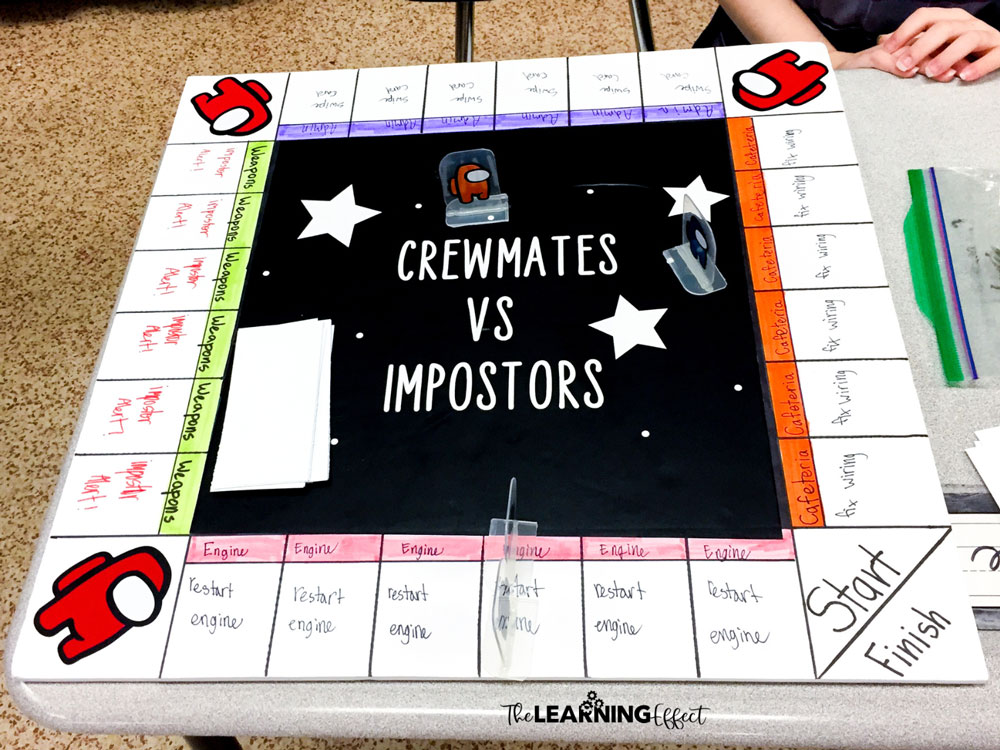
How to Create Your Own Board Game in 5 Easy Steps
Creating board games might sound complicated, but it’s actually quite straightforward with the right guidance. Here’s how your students can create their own board games with minimal prep time:
1. Gather Simple Materials
All you’ll need is:
- Small objects for game pieces (buttons, erasers, or printed pawns)
- Construction paper or poster board
- Markers, colored pencils, or crayons
- Scissors
- Dice (1-2 per game)
- Index cards for question cards
2. Plan the Game Concept
Have students brainstorm and plan before building. I provide my students with a planning sheet that includes:
- Question categories
- Game title
- Learning objectives covered
- Basic rules
- Win conditions
3. Design the Game Board
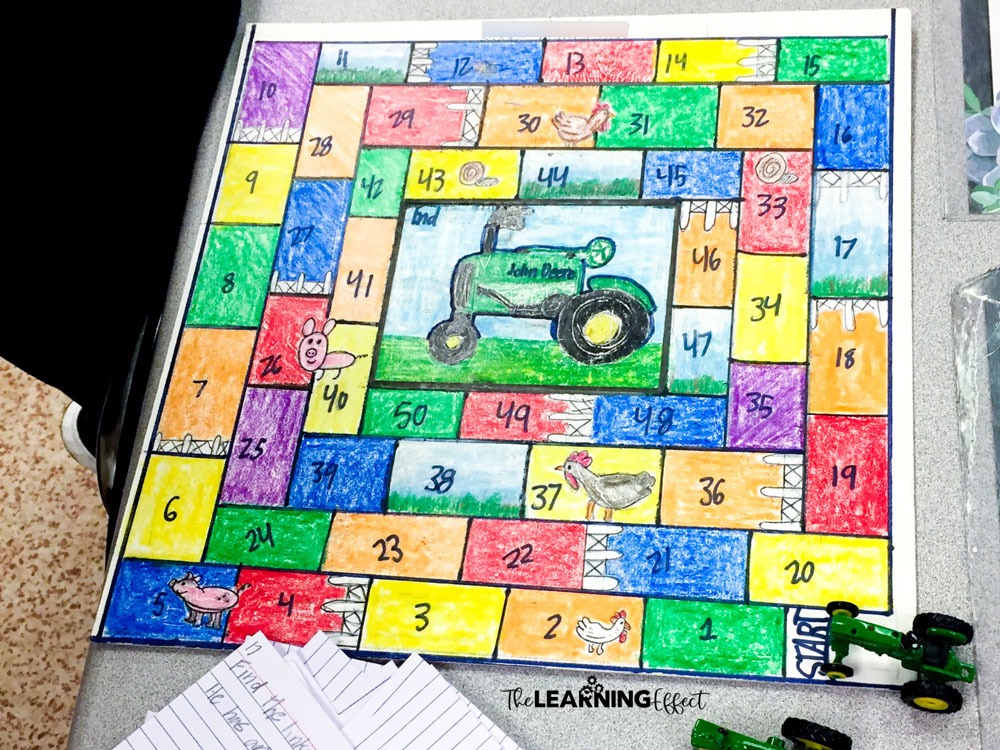
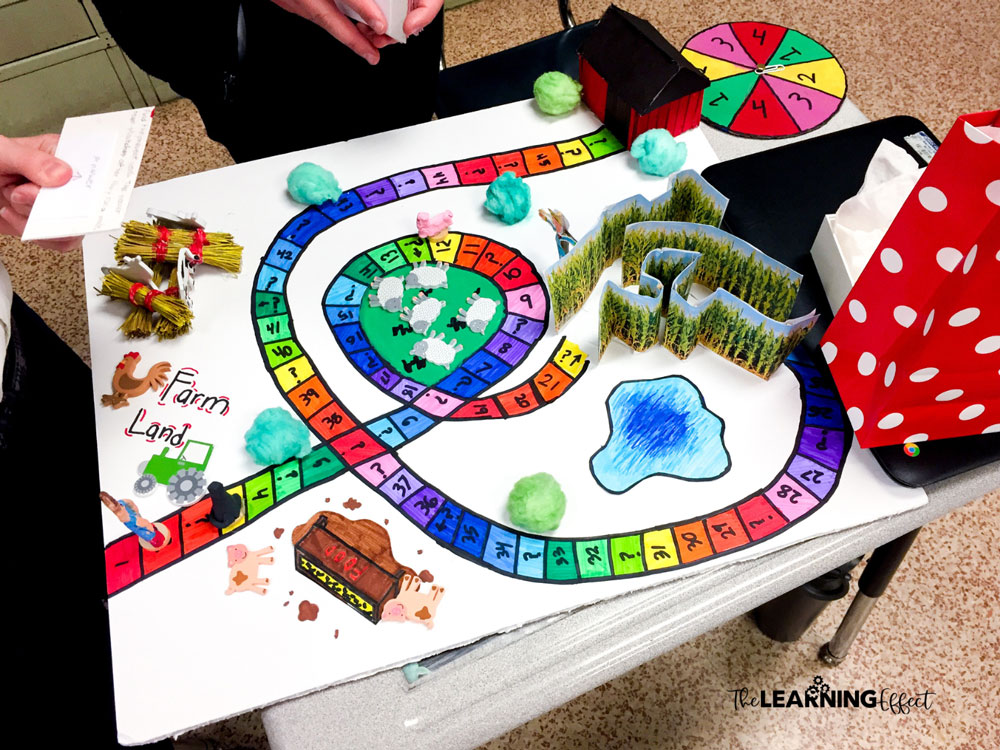
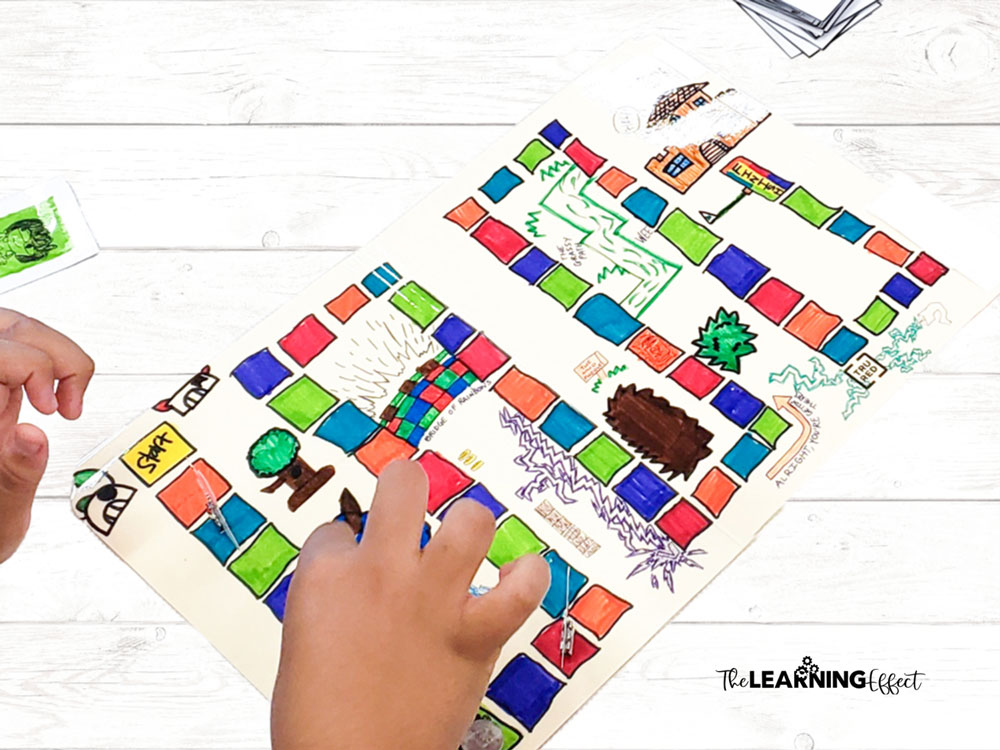
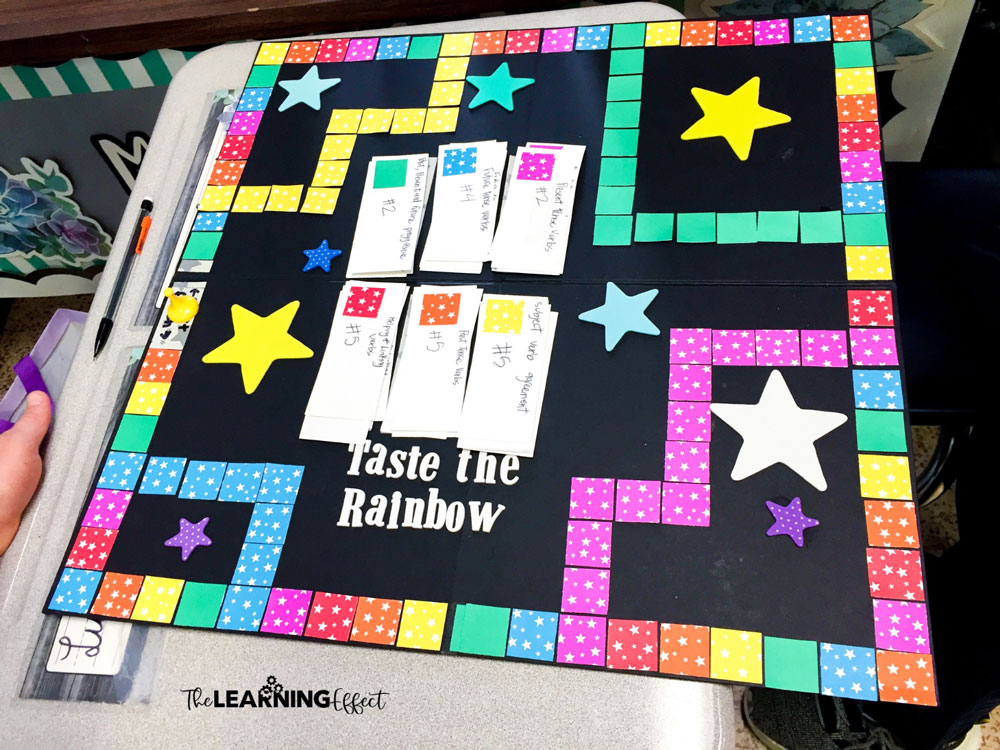
This is where creativity shines! Students can create pathways, spaces with special actions, shortcuts, and themed areas related to your content. The board design should reflect the academic focus while remaining visually engaging.
4. Create Questions and Content Cards
The heart of any educational board game is in the questions. Guide students to:
- Write clear, grade-appropriate questions
- Include a variety of difficulty levels
- Cover multiple standards or content areas
- Create answer keys for easy checking
5. Test and Refine
Before the final sharing, have students play-test their games in small groups and make adjustments to improve gameplay and clarity.
What I love about having students create their own board games is how naturally they integrate multiple skills while remaining completely engaged in the process. The planning sheet and rubric I use emphasize both creativity and academic content accuracy.
4 Perfect Times to Use the Create Your Own Board Game Project
This versatile activity works beautifully at different points throughout the school year. Here are five ideal situations when having students create their own board games delivers maximum impact:
Novel Study Wrap-Up
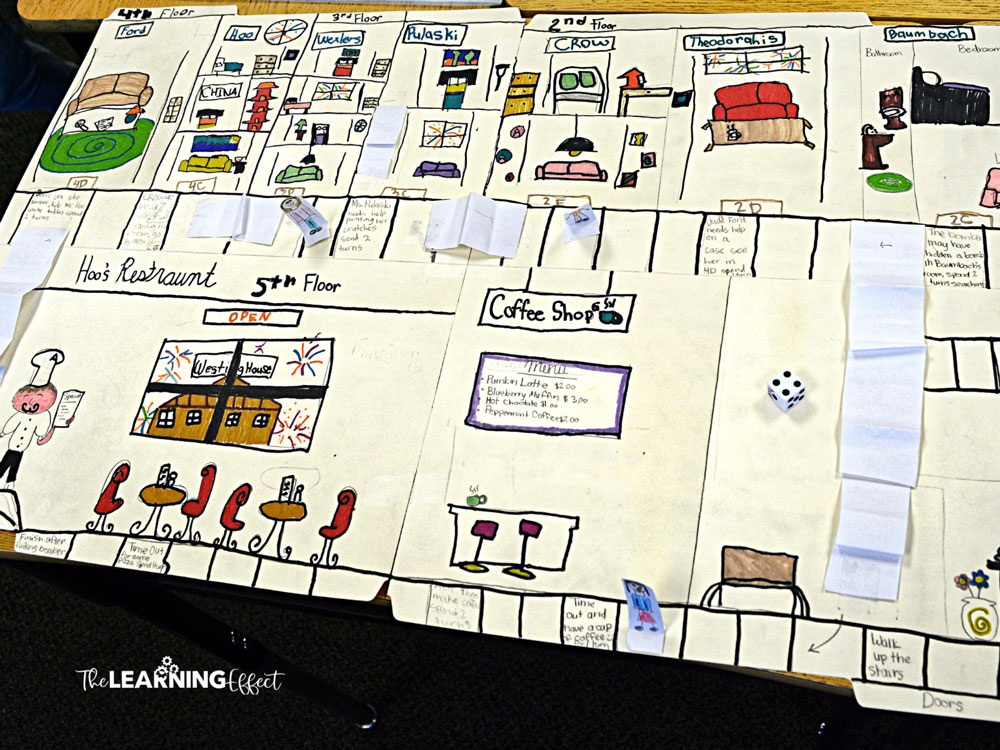
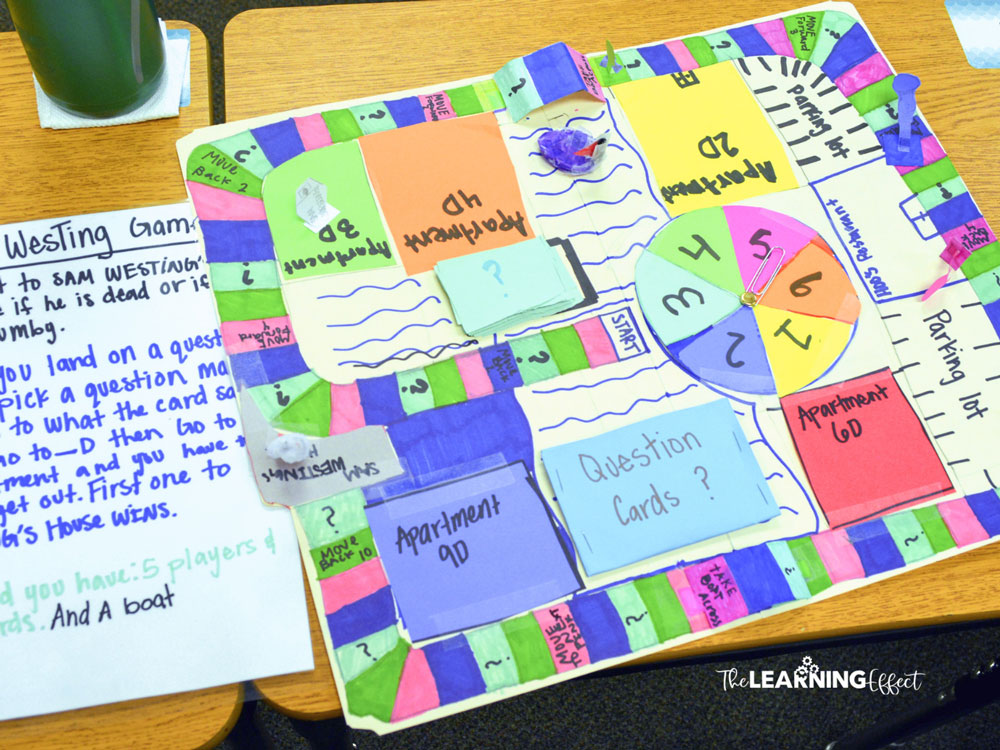
Transform reading comprehension into an interactive experience! My 6th graders created amazing board games based on The Westing Game that included:
- Character-based game pieces
- Plot development pathways
- Comprehension questions at different levels
- Setting-themed board designs
The games served as a creative assessment while reinforcing key story elements in a memorable way.
Test Prep Made Fun
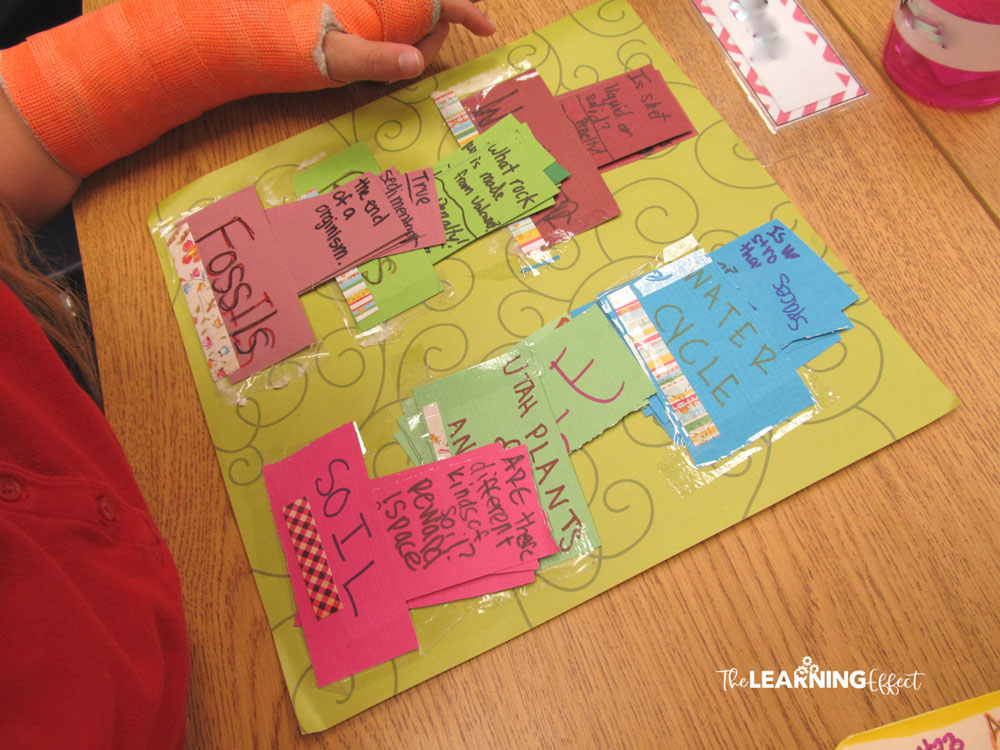
Turn review into a game! My 4th graders eagerly created science board games to prepare for EOG testing. Instead of dreading review, they:
- Taught concepts to each other through gameplay
- Created questions covering multiple science units
- Designed game mechanics that reinforced vocabulary
- Built confidence through repeated content exposure

Small Group Enrichment
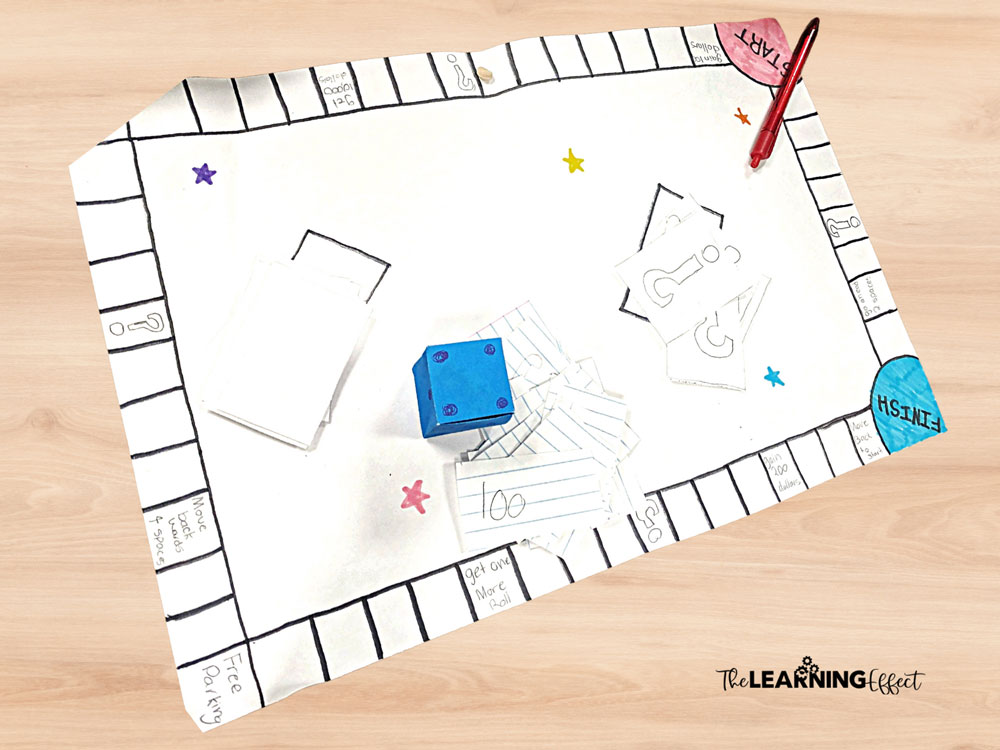
While working with struggling students, my advanced 5th graders created fraction board games as an enrichment activity. This independent project allowed them to:
- Develop games that later benefited the whole class
- Extend their understanding of fraction concepts
- Apply creative thinking to mathematical principles
Content Review or Assessment
After completing any unit of study, students can create board games that transform academic content into engaging challenges. These games:
- Serve as an alternative assessment of student understanding
- Reinforce key concepts and vocabulary
- Provide practice with important skills
- Make abstract ideas more concrete and memorable

Showcase and Celebrate Student-Created Board Games
Once your students have finished creating their own board games, it’s time to celebrate their hard work and creativity! Here’s how to make the most of their finished projects:
Host a Game Day Showcase
Set aside time for students to play each other’s games. I typically organize this as:
- A rotation system where students visit 3-4 different games
- Quick 10-15 minute play sessions at each station
- A simple feedback form for players to leave positive comments
Involve the School Community
Consider expanding your showcase beyond your classroom:
- Invite another class to join your game day
- Display games at a school event or open house
- Share photos of the games on your class newsletter or website
Use Games for Future Learning
The board games students create have lasting value:
- Keep the best examples to use with next year’s class
- Use them as centers or early finisher activities
- Have students teach their games to students in younger grades
Ready to Try the Create Your Own Board Game Project?
This project consistently ranks as one of my students’ favorite end-of-year activities. It combines creativity, collaboration, and content review in a way that keeps energy high during those final weeks of school.
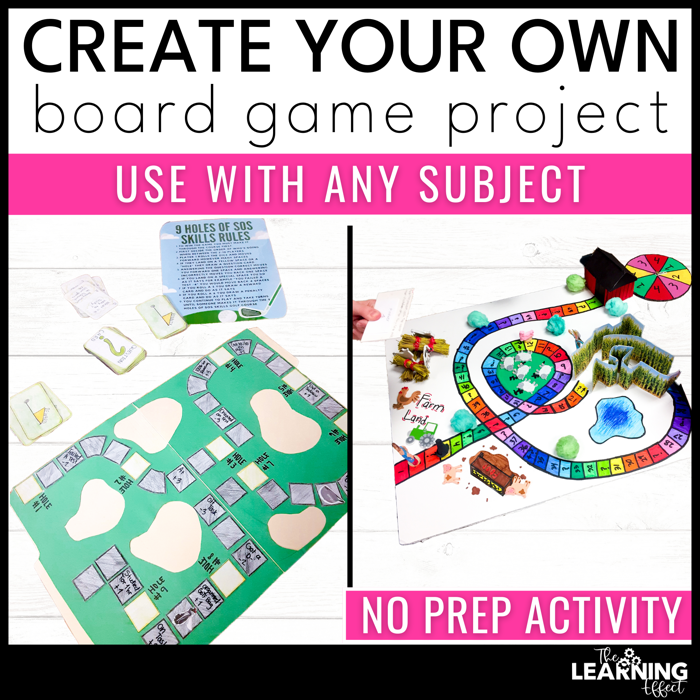
To make implementation even easier, I’ve created a complete Create Your Own Board Game resource with planning sheets, rubrics, and step-by-step instructions that you can use right away.
Why Your Students Will Love Creating Their Own Board Games
When students create their own board games, they become both designers and educators. I’ve watched even my most reluctant learners light up with excitement as they crafted game pieces and developed challenging questions. The beauty of this project is how seamlessly it blends fun with learning during a time when maintaining engagement can be challenging.
What makes this activity truly special is its lasting impact. Students don’t just review content – they transform it into something meaningful and shared. Years later, I’ve had students tell me they still remember concepts we reviewed through the board games they created.
As the school year winds down and you’re looking for that perfect balance of academic value and pure enjoyment, consider having your students create their own board games. It might just become your new end-of-year tradition!