If you’re spending your morning minutes rearranging schedule cards on your whiteboard – moving magnets around, hunting for the one that fell behind your desk, squinting to see if today is an early release day – there’s a simpler way. Schedule signs offer a time-saving alternative to traditional schedule cards that’s easier to manage, clearer for students to see from across the room, and flexible enough to handle all those schedule changes that come with teaching upper elementary.
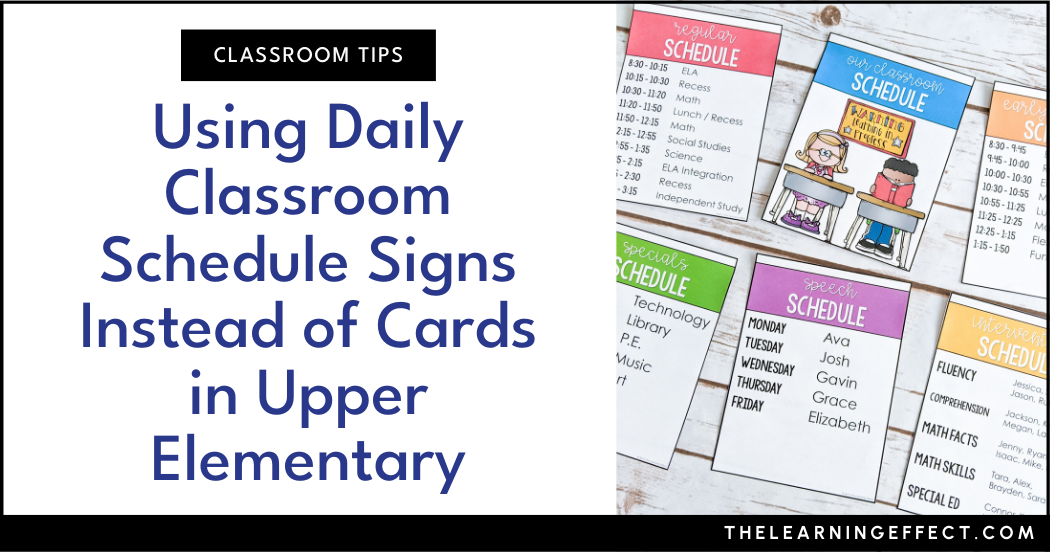
Instead of juggling multiple small cards every morning, you create one sign for each type of day you have. Regular Monday? There’s a sign for that. Early release Friday? Another sign. Assembly schedule? You’ve got it covered. Just swap out the sign, and you’re done in 30 seconds instead of 5 minutes.
Let me walk you through why schedule signs work so well and exactly how to set them up in your classroom.
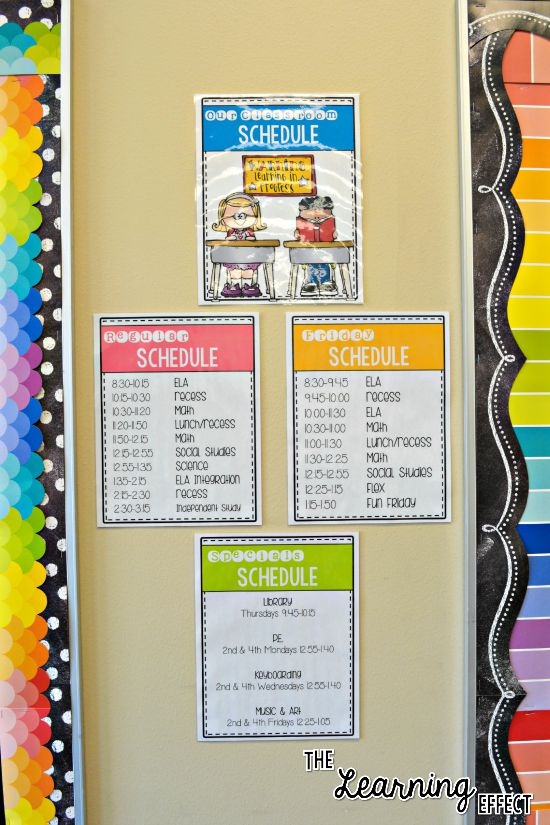
Why Schedule Signs Work Better Than Schedule Cards
I used to be a schedule cards person. Every morning, I’d stand at my whiteboard with my stack of magnetic cards, rearranging them based on what was happening that day. Did we have art or music? Let me check the specials schedule. Oh, it’s an early dismissal? Time to adjust everything.
Here’s why I made the switch to schedule signs – and why I’m never going back:
They’re faster to change. Instead of rearranging 8-10 individual cards, you’re swapping out one single sign. Slide out Monday’s schedule, slide in Tuesday’s. Done. Those few minutes might not seem like much, but when you’re already racing against the clock during morning routines, every second counts.
Students can actually see them. This was huge for me. Schedule cards are great up close, but from the back of the classroom? Not so much. Schedule signs are larger and easier to read, which means fewer “What are we doing after recess?” questions throughout the day. Your visual learners and students who need predictability will especially appreciate this.
No more fallen magnets. If you’ve used magnetic schedule cards, you know the struggle. Someone bumps the whiteboard, a magnet loses its grip, and suddenly your carefully arranged schedule is on the floor. Schedule signs can go in page protectors, hang on hooks, or attach with stronger clips – whatever works for your space.
Students can manage them. Once your schedule signs are set up, changing them becomes a perfect classroom job. Assign a “schedule manager” who switches out the sign each morning or the day before. It builds responsibility, saves you time, and gives students ownership over their classroom environment.

How to Set Up Schedule Signs in Your Classroom
Setting up schedule signs is straightforward, and you probably have most of what you need already in your classroom.
Step 1: Identify your different schedule types. Look at a month on your calendar and note how many different schedules you actually have. For most upper elementary classrooms, this might include:
- Regular daily schedule (Monday-Thursday)
- Early release schedule (often Fridays)
- Assembly or special event schedule
- Testing schedule
- Minimum day schedule
You’ll create one sign for each of these schedules.
Step 2: Create your signs. Whether you’re using editable templates or making them from scratch, include the times and activities for each part of the day. Use a font size that’s readable from across the room – at least 24 point, but bigger is better. If you teach in multiple subjects or have a complex rotating schedule, you might want a weekly schedule sign instead of daily ones.
Step 3: Protect and display them. Laminate your signs or slip them into page protectors to make them last. For display, you have options:
- Attach them to your whiteboard with strong magnetic clips
- Hang them on your wall with Command hooks and switch them out
- Use a pocket chart if you have one available
- Create a “Today’s Schedule” frame that holds whichever sign you need
Step 4: Make it routine. Decide when the schedule gets changed – first thing in the morning, or the day before? Then assign it as a classroom job or build it into your own morning routine. Once it becomes automatic, you won’t even think about it.
Making Schedule Signs Work for Different Scheduling Needs
One of the best parts about schedule signs is how flexible they are. No matter what your school’s scheduling looks like, you can make them work.
For weekly rotating schedules: If your specials rotate each week (Week A has art on Monday, Week B has music on Monday, etc.), create signs for each week. Label them clearly – “Week A Schedule” and “Week B Schedule” – and swap them out accordingly.
For schools with changing specials: This was my situation. We didn’t have daily specials, but library once a week and PE, music, art, and keyboarding twice a month. I created a base schedule sign with all our regular subjects, then had smaller cards just for specials that could be added to the sign. You could also create multiple versions – “Monday with Library,” “Monday with PE,” etc.
For block scheduling: If you teach on a block schedule where periods rotate, create a sign for each day’s rotation. Students always know what to expect, and you’re not redoing your schedule board every single morning.
For students who need individual schedules: Here’s a bonus use for schedule signs – print them at a smaller size for students who benefit from having a personal schedule at their desk. Students with ADHD, anxiety, or who simply thrive on structure will appreciate having their own reference point. It’s a small accommodation that makes a big difference.
Why This Small Change Matters
I know schedule signs might seem like a tiny classroom management tweak, but it’s exactly these kinds of small changes that add up to big time savings. When you streamline one routine, you create space for what really matters – actually teaching and connecting with your students.
The beauty of schedule signs is that they’re one of those “set it and forget it” systems. You spend a little time creating them at the beginning of the year (or right now, whenever you’re reading this), and then they work for you all year long. No daily decisions, no morning scrambling, no hunting for missing cards.
Plus, having a clear, visible schedule supports every student in your classroom. It reduces anxiety for kids who need to know what’s coming next. It helps with transitions because students can prepare themselves mentally. And it answers the constant “What are we doing today?” questions before they’re even asked.
Getting Started with Schedule Signs
If you’re ready to make the switch from schedule cards to schedule signs, start simple. You don’t need to create signs for every possible schedule variation right away. Begin with your most common schedules – regular days and early release days, for example – and add others as you need them.
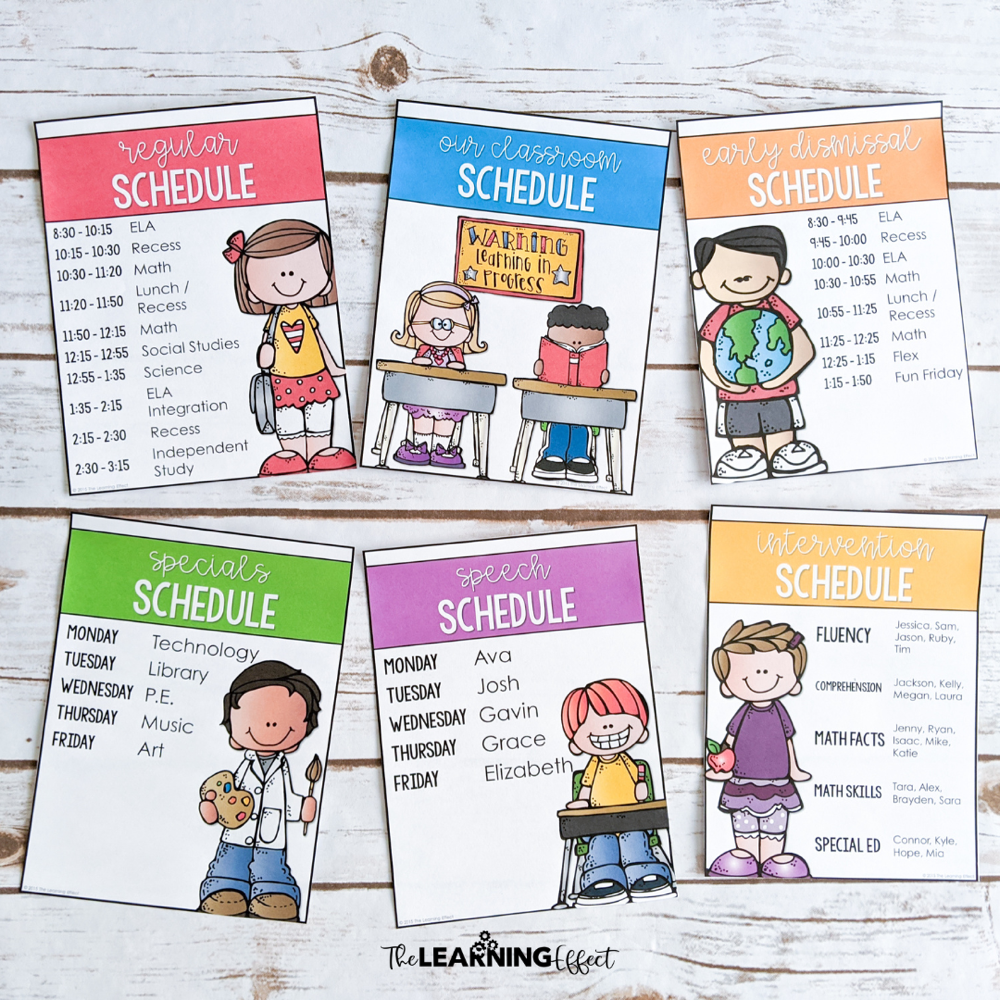
Want to make this even easier? I’ve created editable schedule sign templates that you can customize with your own schedule and print. They come in bright colors that are easy to spot from anywhere in the classroom, and you can edit them to match your exact daily routine.

Whether you create your own or use templates, the important thing is setting up a system that works for you and your students. Once you experience how much smoother your mornings run with schedule signs, you’ll wonder why you didn’t make the switch sooner.
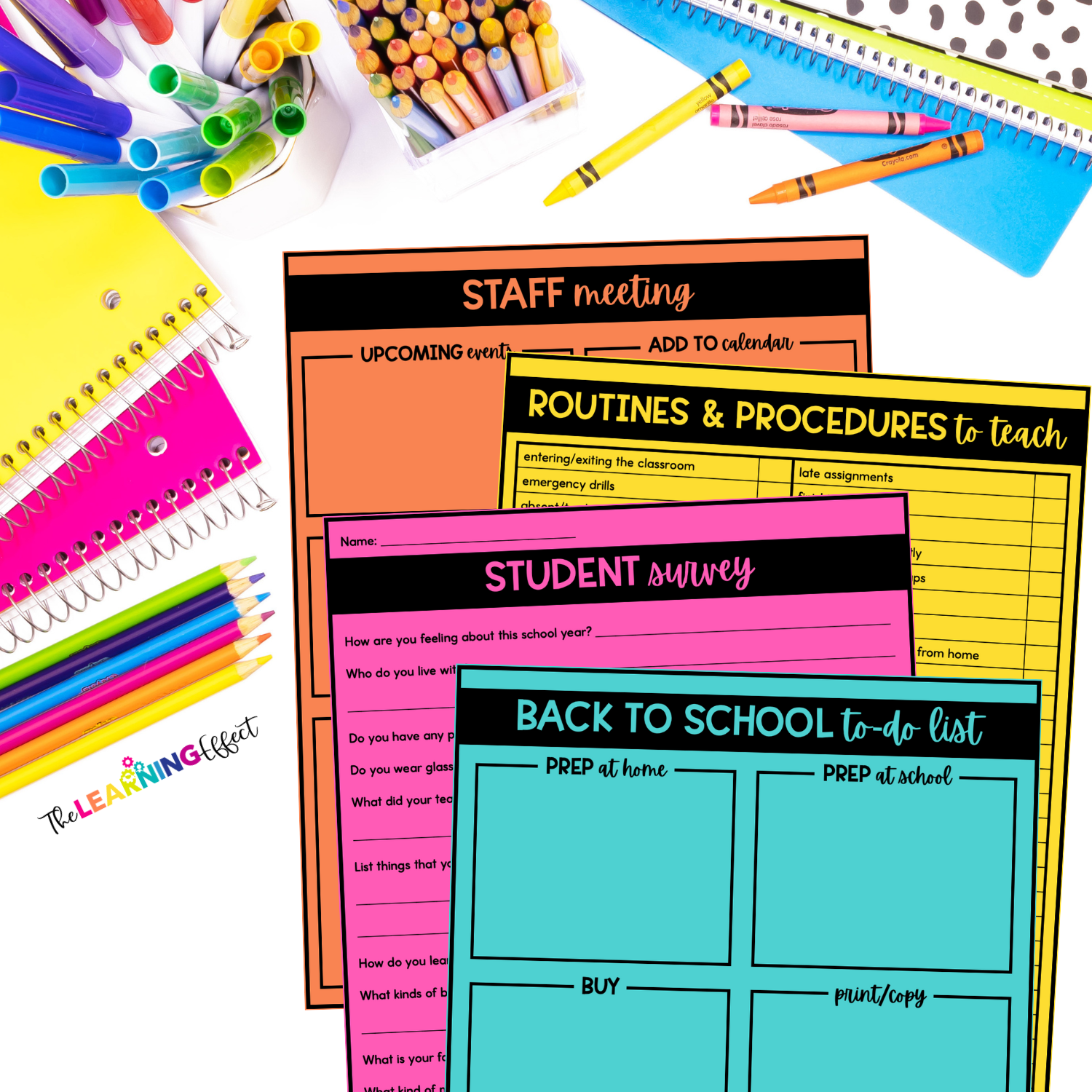
Ready to streamline your back-to-school setup? Grab my free Back to School Forms bundle to organize everything from parent contact information to student data sheets. These printable templates will help you start the year prepared and stress-free.
Looking for more ways to organize your upper elementary classroom? Check out my post on classroom management tips and discover systems that will save you time all year long.