Remember the last time you earned a free coffee after filling up your loyalty punch card? There’s something satisfying about watching those punches add up toward a reward. That same simple motivation system works beautifully with upper elementary students – and it’s one of the easiest classroom management tools you’ll ever implement.
Reward punch cards give students a visual way to track their progress toward a goal, whether it’s completing homework on time, demonstrating kindness, or mastering multiplication facts. Unlike complex behavior charts or point systems that require constant monitoring, punch cards put the responsibility in students’ hands while taking just seconds of your time each day.
If you’re looking for a student incentive system that actually sticks without adding to your already-full plate, reward punch cards might be exactly what your classroom needs.
What Are Reward Punch Cards?
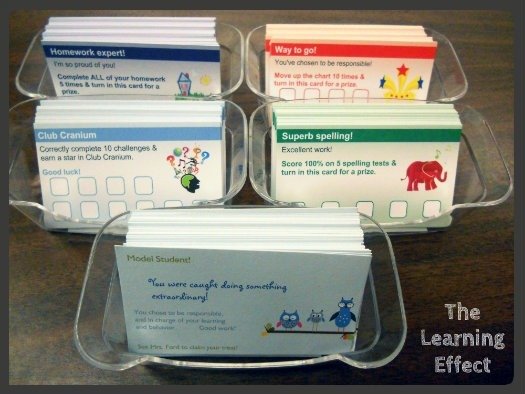
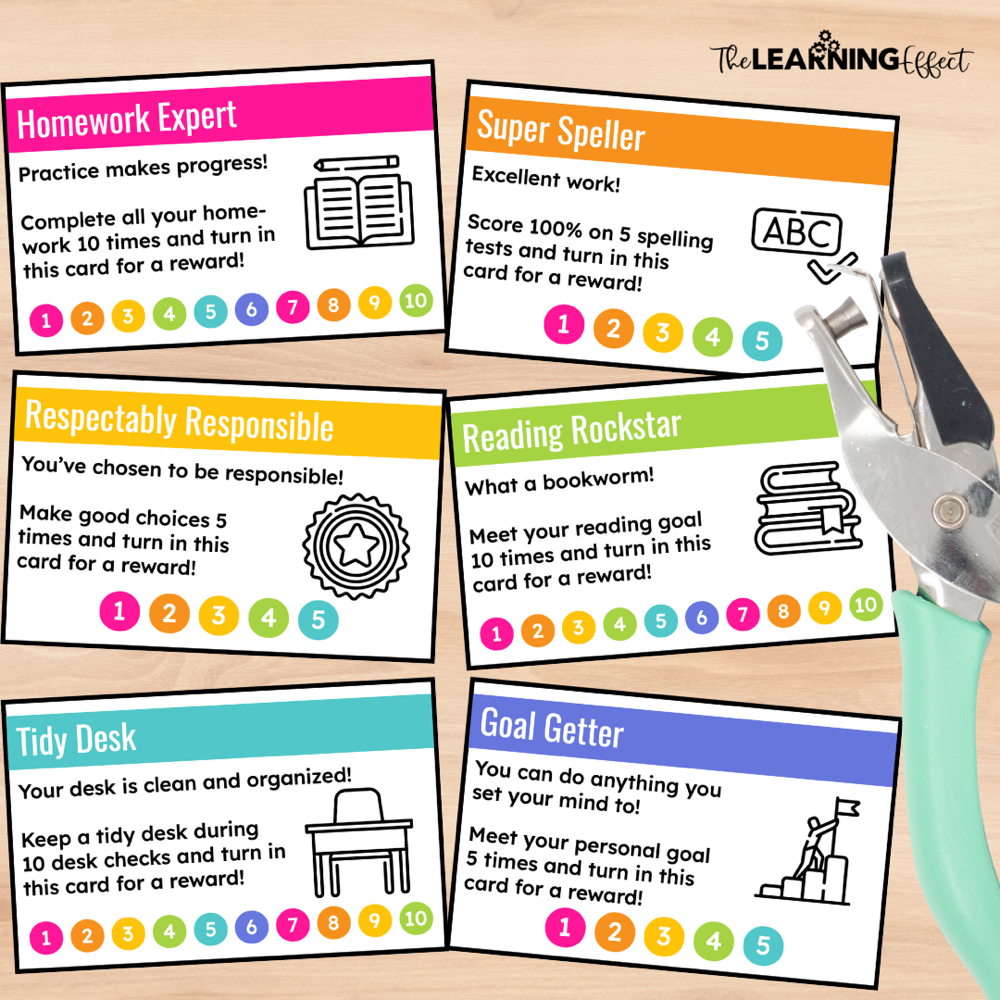
Reward punch cards work just like the loyalty cards you see at local businesses. Students receive a card with a set number of spaces (typically 5 or 10), and each time they demonstrate a specific behavior or complete a goal, they earn a punch. Once all spaces are filled, they can redeem the card for a reward from your classroom menu.
The beauty of this system is its flexibility. You can use punch cards for nearly anything: turning in homework, acts of kindness, participation, reading goals, perfect attendance, helping classmates, or any other behavior you want to encourage. Some teachers use them schoolwide, while others prefer individual classroom goals. Either way, students immediately understand how the system works because they’ve seen their parents use similar cards in the real world.
Why Reward Punch Cards Work in Upper Elementary
After using various incentive systems over the years, I found that reward punch cards hit a sweet spot for grades 3-6. Here’s why they’re so effective with this age group:
Students take ownership of their progress. Unlike teacher-controlled systems where you’re constantly updating charts or tallying points, students hold their own cards and can see exactly where they stand. This builds responsibility and gives them agency over their success.
The visual progress is motivating. Upper elementary students are still concrete thinkers who benefit from seeing their achievements. Each punch represents a small win, and watching those spaces fill up creates momentum that keeps them engaged.
They’re appropriate for older students. By 3rd grade, many students are starting to outgrow sticker charts and clip systems. Punch cards feel more mature – like something adults use – which appeals to their growing independence.
The system requires minimal teacher effort. Once you’ve explained the expectations, maintaining punch cards takes just a few seconds per student. You’re not calculating points, moving clips, or updating elaborate displays. A quick punch and they’re on their way.
Flexibility keeps it fresh. When students complete a card, you can introduce new goals or behaviors to work toward. This prevents the system from getting stale halfway through the year.
How to Implement Reward Punch Cards in Your Classroom
Ready to try punch cards with your students? Here’s how to set up a system that works from day one:
Decide What Behaviors to Reward
Start with one or two clear, specific behaviors rather than trying to cover everything at once. Early in the year, you might focus on homework completion or being prepared for class. Later, you could shift to content-specific goals like mastering math facts or meeting reading targets.
The key is making the expectation crystal clear. “Being good” is too vague. “Turning in complete homework on time” or “helping a classmate without being asked” gives students concrete actions to aim for.
Choose Your Punch Method
You’ll need a way to mark the cards when students earn a punch. I use a star-shaped hole punch because students love seeing the shape, and it’s impossible to fake. Other teachers prefer small stamps, stickers, or even initialing with a special pen. Pick whatever feels manageable for you – the actual marking method matters less than consistency.
Create a Reward Menu
This is where you can get creative without breaking the bank. Rewards don’t have to be expensive or elaborate. Some of my students’ favorites included: choosing their seat for the day, lunch with the teacher, extra recess time, being line leader for a week, or picking a class game on Friday.
You can also offer homework passes, the chance to teach a mini-lesson, decorating a bulletin board, or being the teacher’s assistant for the day. The goal is finding incentives that feel valuable to students but don’t create extra work for you or require spending your own money.
If you find it easier to purchase small rewards for students to choose from, I’ve created a list of fun prizes on Amazon.
Determine Storage and Management
Students need a consistent place to keep their cards. Some teachers have students store them in their desks or homework folders. Others prefer a classroom pocket chart where cards are easily accessible but remain in one place. I’ve found that letting students keep their cards works well for building responsibility, though you may occasionally need to replace a lost card.
Whatever system you choose, build in a quick check during your end-of-day routine to prevent lost cards from becoming a bigger issue.
Set Clear Expectations from the Start
When you introduce punch cards, take time to model exactly how the system works. Show students what earning a punch looks like, explain how to care for their cards, and walk through the redemption process. Let them know what happens if a card gets lost (they start over, or you might offer one replacement per semester).
I always emphasize that punch cards are an opportunity, not a right. If students abuse the system or become overly focused on rewards rather than learning, we revisit expectations together.

Tips for Long-Term Success with Punch Cards
Starting with reward punch cards is easy. Making them work all year long takes a bit more strategy:
Vary the goals seasonally. What motivates students in September might not excite them in March. Don’t be afraid to refresh the behaviors you’re rewarding or switch up your reward menu to match seasonal activities or upcoming events.
Use punch cards strategically during challenging times. The week before winter break, during state testing, or after a long weekend are perfect times to reintroduce punch cards or create a special short-term goal. A 5-punch card with an appealing reward can refocus energy when students (and you) need it most.
Make it work for different learners. Some students might need modified goals or additional support to earn punches at the same rate as their peers. It’s okay to differentiate – the goal is growth and effort, not perfection.
Connect punch cards to your existing classroom management. If you already use ClassDojo, a behavior chart, or another system, punch cards can complement rather than replace what’s working. For example, students might earn a punch after accumulating a certain number of ClassDojo points. You can read more about setting up effective systems in my post on classroom management tips for upper elementary.
Keep the momentum going. Celebrate when students complete their first cards as a class. Share success stories. Let students who’ve redeemed multiple cards become “experts” who can encourage classmates. The social aspect keeps everyone motivated.
Getting Started with Editable Reward Punch Cards
One of the biggest time-savers I’ve discovered is having a collection of ready-to-use, editable punch card templates. When I first started using punch cards, I spent hours designing them from scratch or trying to use business card templates that didn’t quite fit classroom needs.
That’s why I created editable reward punch cards specifically for teachers. The templates include both 5-punch and 10-punch options, so you can adjust based on how quickly you want students to earn rewards. They’re fully customizable – you can change the text, colors, and goals to match whatever you’re working on with your class.
The editable format means you can use them year after year for different purposes. Create homework punch cards in September, kindness cards in February, and reading goal cards in May, all from the same template set. Print them on cardstock, laminate them for durability, or run them on regular paper if you prefer students to keep completed cards as keepsakes.
Having professional-looking cards that you can customize in minutes rather than starting from scratch each time has been a game-changer for keeping this system manageable.

Making Reward Punch Cards Work for You
The best classroom management systems are the ones you’ll actually use consistently. Reward punch cards check that box because they’re simple, visual, and genuinely motivating for students. They teach responsibility, provide immediate feedback, and give you a tool that adapts to your changing classroom needs throughout the year.
Whether you’re looking to boost homework completion, encourage positive behavior, or simply want a fresh approach to student incentives, punch cards offer a practical solution that won’t overwhelm your already-packed schedule.
Start small – pick one goal, introduce the system clearly, and watch how quickly your students embrace it. You might be surprised at how something so simple can make such a difference in your classroom culture.